News

GreenArk latest news: industry updates, company news, guides

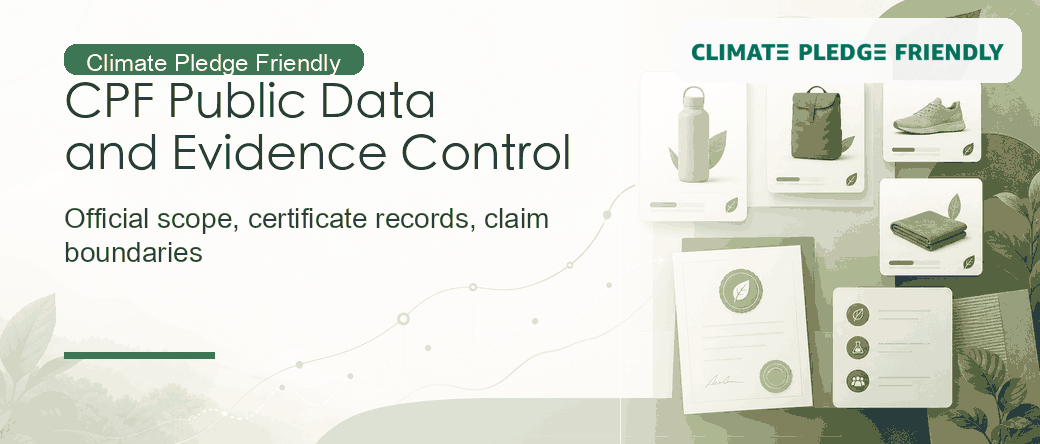
CPF Certificate Authenticity and Scope Check: Issuer, Number, SKUs and Validity
Industry

CPF Certificate Authenticity and Scope Check: Issuer, Number, SKUs and Validity

Before using CPF or third-party sustainability certification files, sellers should review certificate authenticity, issuing body, certificate number, validity, covered SKUs, and product scope. One certificate should not be applied to products outside its scope, and page claims should match certificate content. If a file looks inconsistent, pause related wording and verify with the issuing body.

Read more
CPF Evidence Maintenance Checklist: Validity, SKU Scope and Supply-Chain Changes
Guide

CPF Evidence Maintenance Checklist: Validity, SKU Scope and Supply-Chain Changes

After CPF eligibility or third-party sustainability certification, sellers still need to maintain certificate validity, SKU scope, supply-chain files, packaging versions, and page claims. Maintenance should not be framed as a platform-weight promise; a safer approach is to keep an evidence register and review whether certificate scope matches the products being sold.

Read more
ISCC PLUS Evidence Review: Mass Balance, Traceability and Claim Boundaries
Industry

ISCC PLUS Evidence Review: Mass Balance, Traceability and Claim Boundaries

ISCC PLUS can support claims related to circular, bio-based, or renewable feedstocks, but companies should not describe it as a universal new percentage threshold or automatic platform qualification without verification. Before using ISCC PLUS evidence, review certification scope, mass-balance chain, supplier files, product claims, and platform display requirements.

Read more
Event Eligibility Review: Checking CPF Evidence, SKU Scope and Page Assets
Industry

Event Eligibility Review: Checking CPF Evidence, SKU Scope and Page Assets

Platform event timing, eligibility conditions, and page rules can change. Sellers should not present 2026 event windows or green-badge conditions as fixed conclusions. Use current seller account event pages and work backward from certificate application, renewal, SKU-scope review, packaging assets, and support-script checks.

Read more
B Corp Claim Boundaries: Enterprise ESG Evidence Does Not Replace Product Certification
Guide

B Corp Claim Boundaries: Enterprise ESG Evidence Does Not Replace Product Certification

B Corp is an enterprise-level impact certification covering governance, workers, community, environment, and customers. It can support brand ESG evidence, but it should not be described as default platform badge coverage or a replacement for product-level sustainability certification. Product pages still need SKU, material, packaging, and product-certificate review.

Read more
Category Applicability Check: CPF Evidence, SKU Scope and Platform Page Review
Guide

Category Applicability Check: CPF Evidence, SKU Scope and Platform Page Review

Whether a category requires a sustainability certification should be checked against current account pages, product category, selling site, and program requirements. Sellers should not present fixed category lists, fixed dates, or fixed consequences as long-term conclusions; review SKUs, certificate scope, page claims, and current category or event pages instead.

Read more
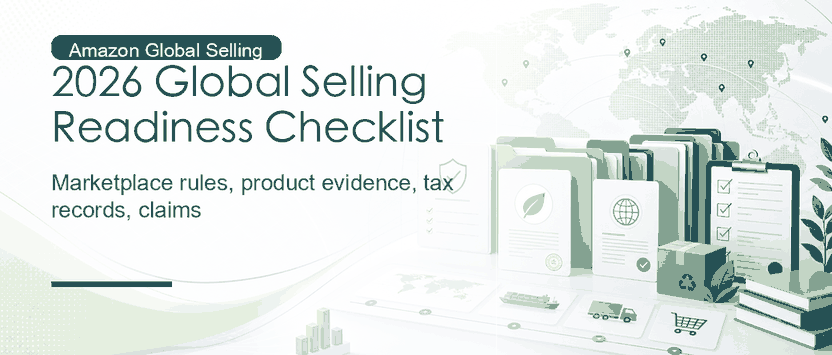
2026 Amazon Global Selling: Compliance, Tax, and Sustainability Claim Checklist
Industry

2026 Amazon Global Selling: Compliance, Tax, and Sustainability Claim Checklist

Amazon Global Selling involves marketplace rules, product compliance, tax registration, and sustainability claim control. Requirements differ by country and category, so sellers should manage evidence by marketplace, product type, certificate scope, and listing wording while checking Seller Central, local law, and professional tax advice.

Read more
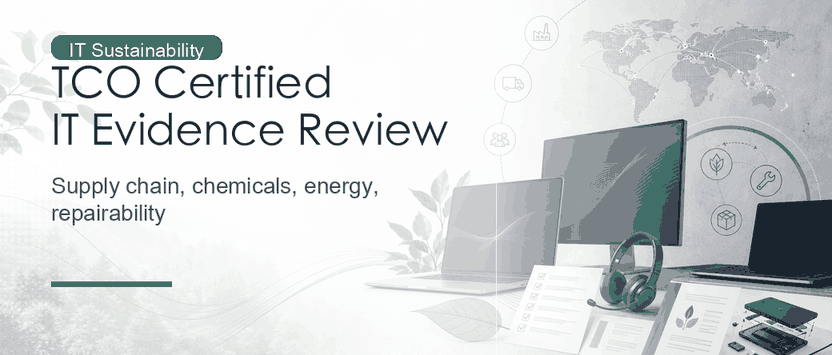
TCO Certified: Evidence and Supply-Chain Review for IT Products
Guide

TCO Certified: Evidence and Supply-Chain Review for IT Products

TCO Certified applies to certain IT product categories and reviews areas such as environmental performance, supply-chain responsibility, chemicals, repairability, energy efficiency, and ergonomics. Sellers should check product category, certificate scope, factory records, and listing claims instead of treating it as automatic marketplace display or a assured review schedule.

Read more
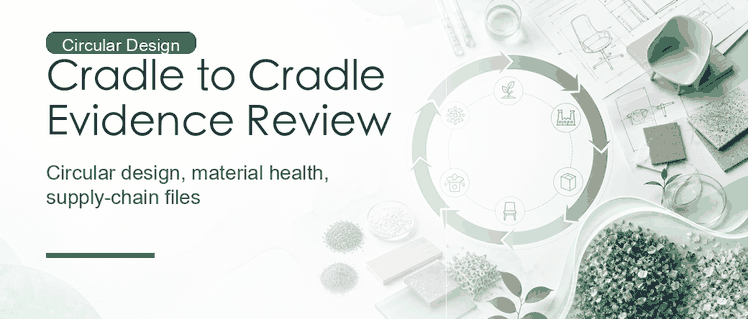
Cradle to Cradle: Evidence Review for Circular Design and Material Health
Guide

Cradle to Cradle: Evidence Review for Circular Design and Material Health

Cradle to Cradle Certified reviews areas such as material health, circular design, clean air and climate, water and soil stewardship, and social fairness. When using the certification or related claims, sellers should check product scope, material records, supply-chain files, and mark-use rules instead of assuming marketplace display or commercial outcomes.

Read more
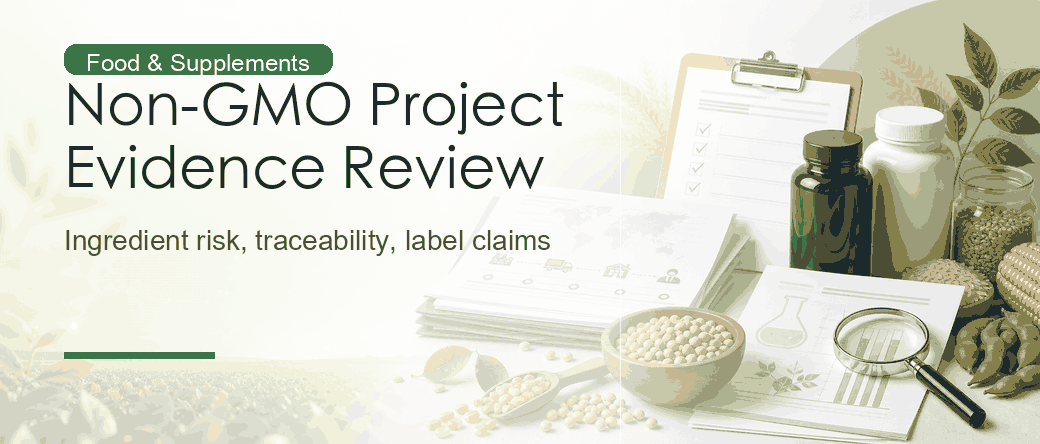
Non-GMO Project: Evidence Review for Food and Supplement Claims
Guide

Non-GMO Project: Evidence Review for Food and Supplement Claims

Non-GMO Project Verified can support non-GMO claims for food, beverage, dietary supplement, and related products. Sellers should review ingredient risk, supply-chain traceability, testing records, label-use rules, and marketplace display requirements instead of treating certification as a assured commercial outcome or automatic display result.

Read more
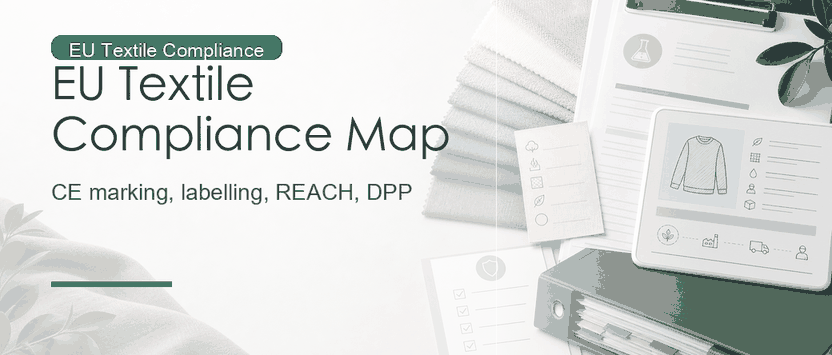
EU Textile Compliance: Separating CE Marking, Labelling, REACH, and DPP
Industry

EU Textile Compliance: Separating CE Marking, Labelling, REACH, and DPP

Ordinary textile products are generally not CE-marked because of textile labelling rules. Sellers should first check whether the product falls under CE legislation such as PPE, toys, or medical devices, then separately manage fibre labelling, REACH restrictions, general product safety, and future digital product passport requirements.

Read more