Guide
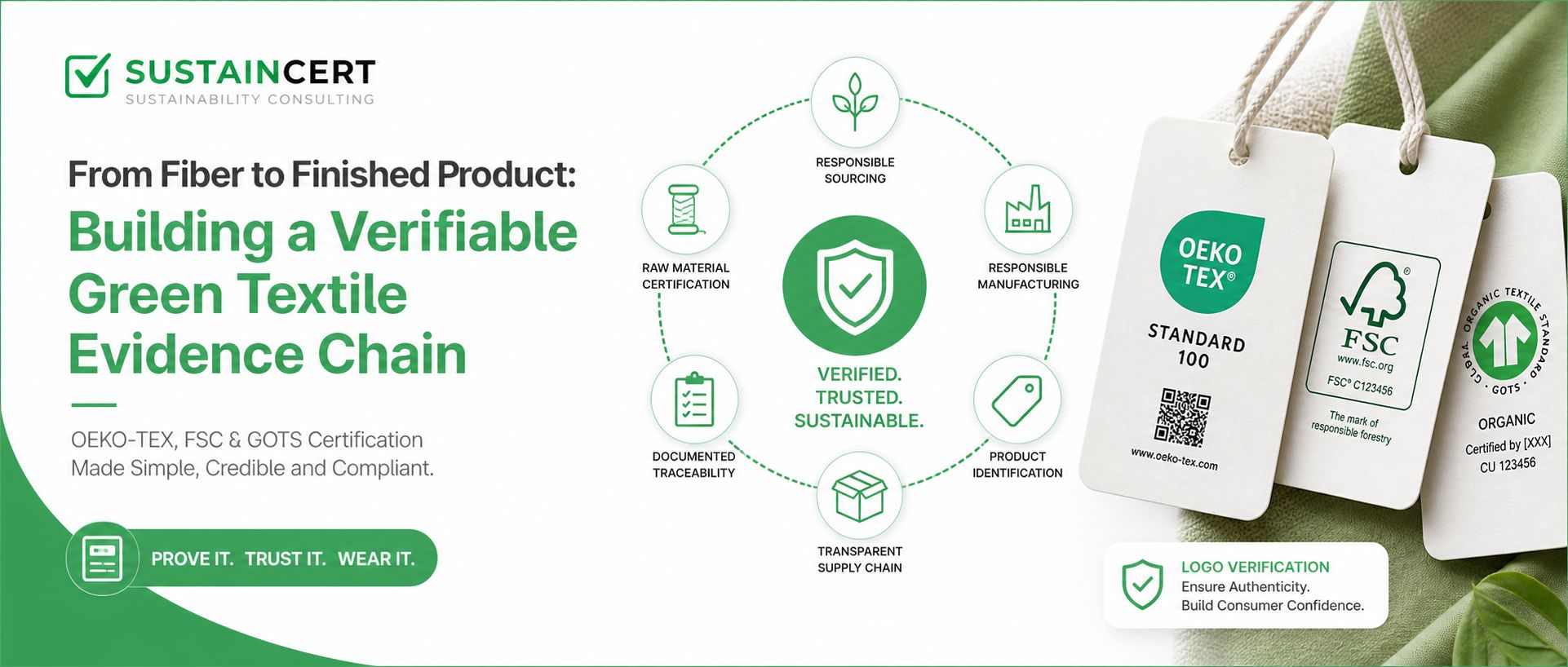
Green Label Evidence Chain Verification — OEKO-TEX, FSC, GOTS
Green Label Evidence Chain Verification — OEKO-TEX, FSC, GOTS Do Not Just Use the Logo.
Read moreGreenArk latest news: industry updates, company news, guides
Green Label Evidence Chain Verification — OEKO-TEX, FSC, GOTS Do Not Just Use the Logo.
Read more
CPF Green Label + AI Era — How the Rufus Recommendation System Is Radically Reshaping Traffic Distribution Logic 1. Introduction: When Search Engines Become AI Assistants Amazon is undergoing the most.
Read more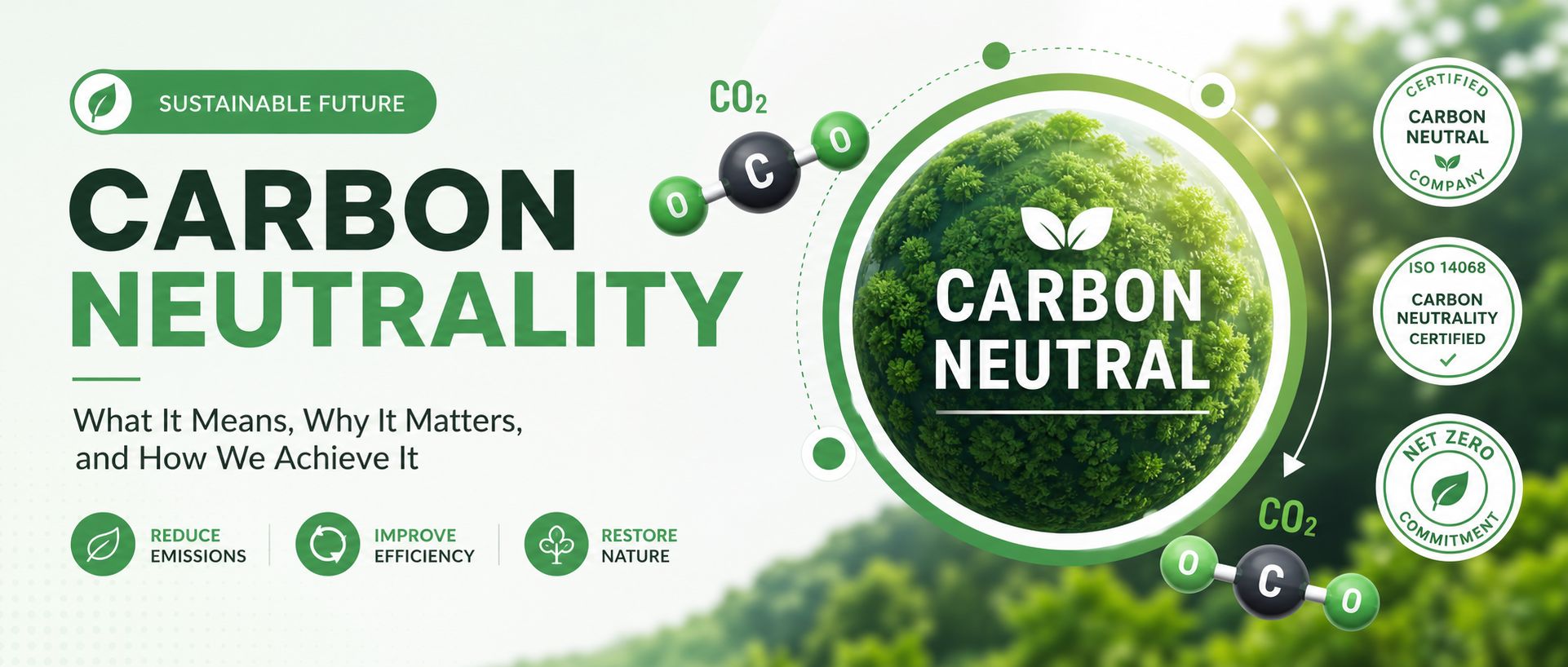
For cross-border products, carbon neutrality and low-carbon claims should separate carbon footprint accounting, reduction records, offset boundaries and third-party labels instead of mixing Climate Pledge Friendly, FSC, GOTS, GRS, OCS, OEKO-TEX, RCS and RWS evidence.
Read more
CPSC eFiling preparation should review CPC, GCC, test reports, product models, import information, tracking labels and platform fields.
Read more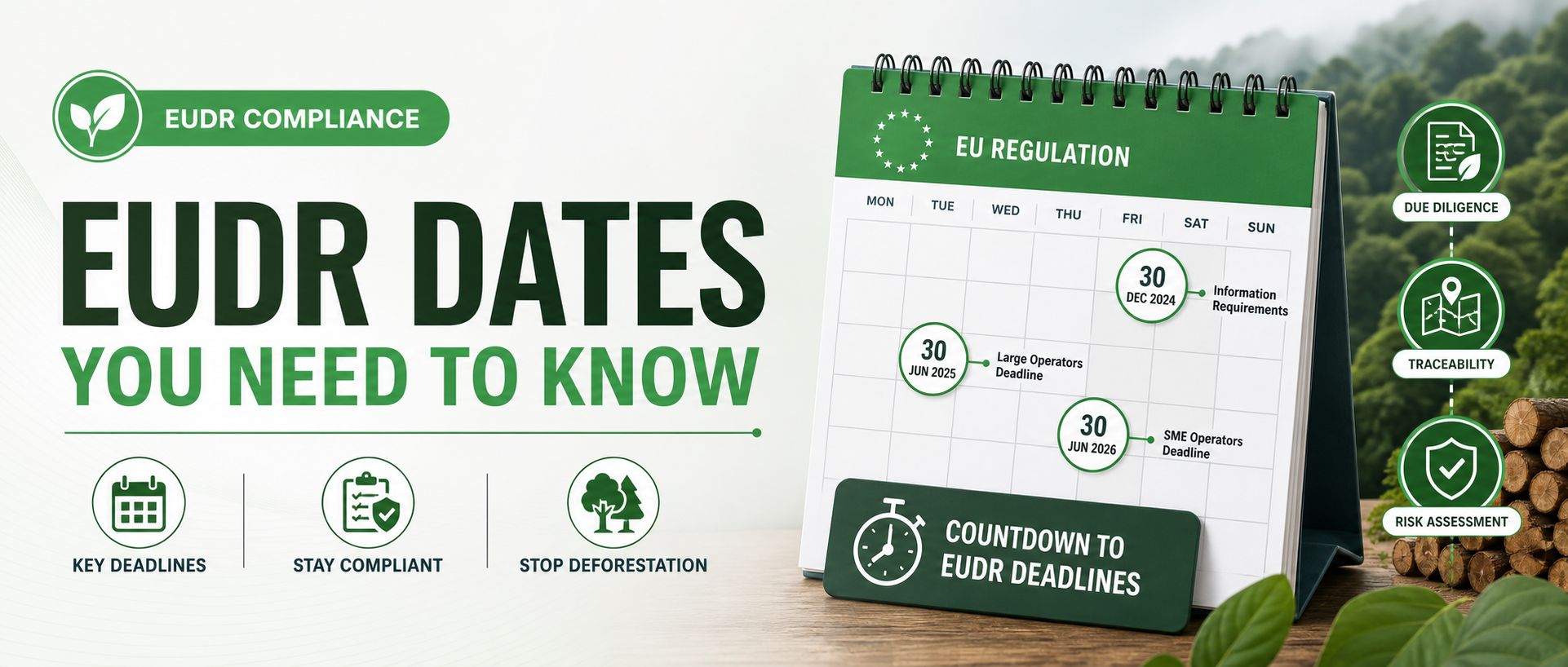
Amazon SPN Service Provider Network CPF Column – How to Choose a Reliable Certification Body I. Introduction: Choosing the Right Certification Body is More Critical Than the Certification Itself For s.
Read more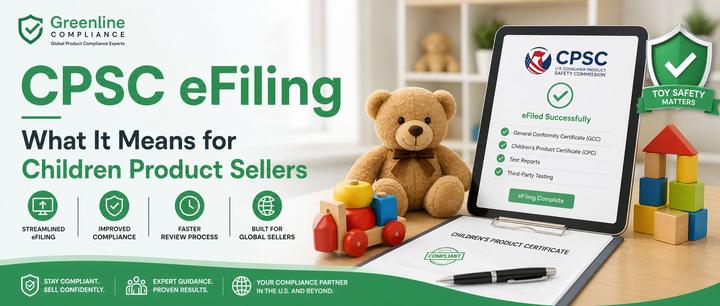
CPSC eFiling preparation should review CPC, GCC, test reports, product models, import information, tracking labels and platform fields.
Read more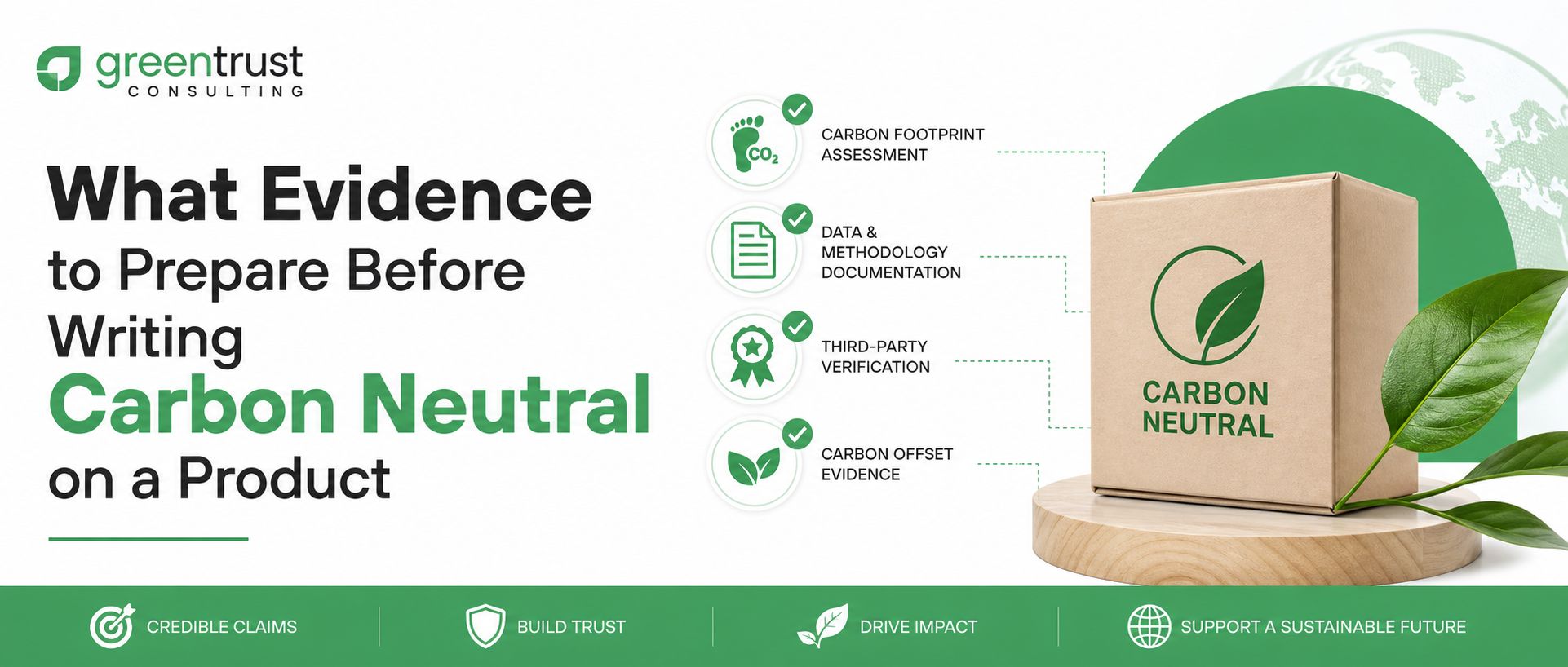
Compact by Design Packaging Simplification Certification 2026 New Policy – Cancellation of the 15% Volume Reduction Mandatory Requirement I. Introduction: Major Benefits of the Minimum Threshold Green.
Read more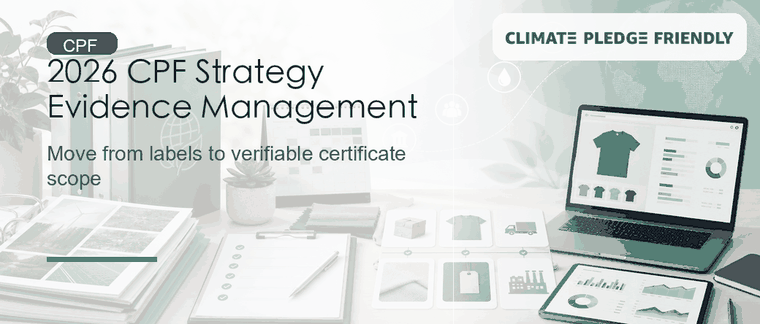
In 2026, cross-border sellers should treat sustainability claims as evidence management rather than a label exercise. Amazon Climate Pledge Friendly and third-party certifications can support product-page claims, but they should not be written as promises of platform exposure or commercial outcomes.
Read more
Rufus has been publicly introduced by Amazon as a generative AI shopping assistant, but public materials do not state that CPF creates specific platform results. Sellers should focus on clear, substantiated product evidence: certification name, covered SKUs, material attributes, and certificate scope.
Read more
After a product is eligible for Amazon Climate Pledge Friendly or supported by a third-party sustainability certification, sellers still need to manage packaging, customer support, product pages, and Q&A wording. The goal is not to promise commercial outcomes, but to keep certification name, covered SKUs, certificate scope, and consumer-facing content aligned.
Read more
Amazon Climate Pledge Friendly or third-party sustainability certifications can support product claims, but they should not be presented as platform exposure, sales result, or ranking guarantees. Sellers using sustainability messages on TikTok Shop, brand sites, or social content should keep certificate scope, SKUs, packaging, and page copy consistent, with evidence behind each claim.
Read more
Carbon neutral claims do not mean zero emissions. Companies should separately review product boundary, footprint calculation, actual reductions, carbon credit offsetting and retirement records.
Read more
FBA packaging optimization should not be presented as a fixed cost reduction or inbound benefit. A safer approach is to review package dimensions, weight, material evidence, recyclability or plastic-reduction wording, and evaluate impact against the current seller account rules and rate card. If CPF, Compact by Design, or other sustainability information is used, the certificate scope should match the actual packaging.
Read more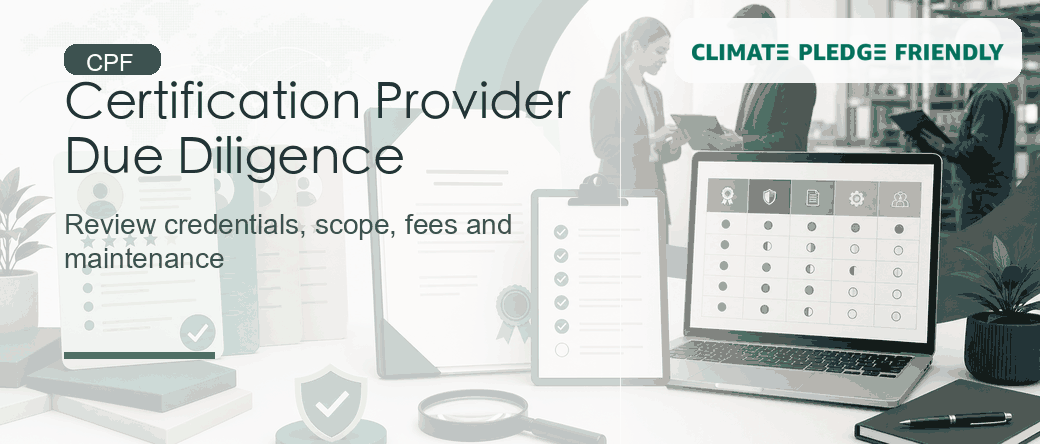
When selecting a CPF or sustainability certification provider, sellers should review the final issuing body, accredited scope, covered products, fee structure, and maintenance process. Provider marketing materials are not enough; certificate usability depends on the certification program, product scope, and platform requirements.
Read more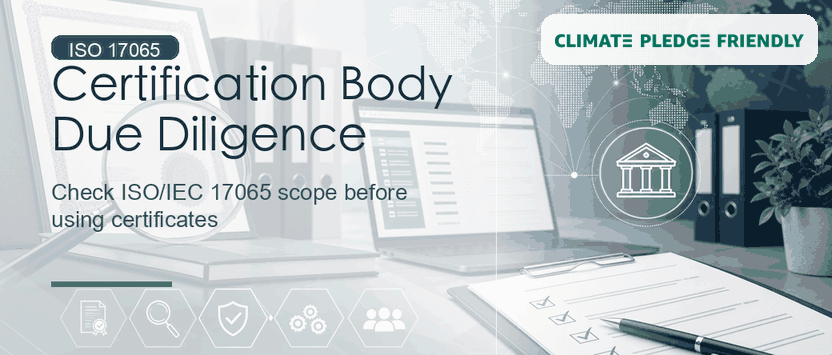
When selecting a sustainability certification service, sellers should review the final issuing body, accreditation body, accreditation scope, and certificate validity. ISO/IEC 17065 is an important standard for product, process, and service certification bodies, but the accredited scope still needs to match the certification program being used.
Read more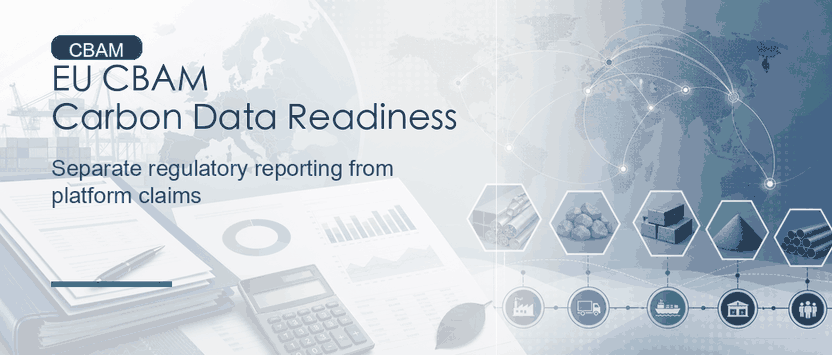
CBAM is the EU Carbon Border Adjustment Mechanism. Its definitive phase begins in 2026, and current official coverage focuses on cement, iron and steel, aluminium, fertilisers, electricity, and hydrogen. CBAM is separate from Amazon CPF or other platform sustainability programs. EU-facing sellers should first check whether their products are in CBAM scope, then organize carbon data without treating platform badges as CBAM compliance proof.
Read more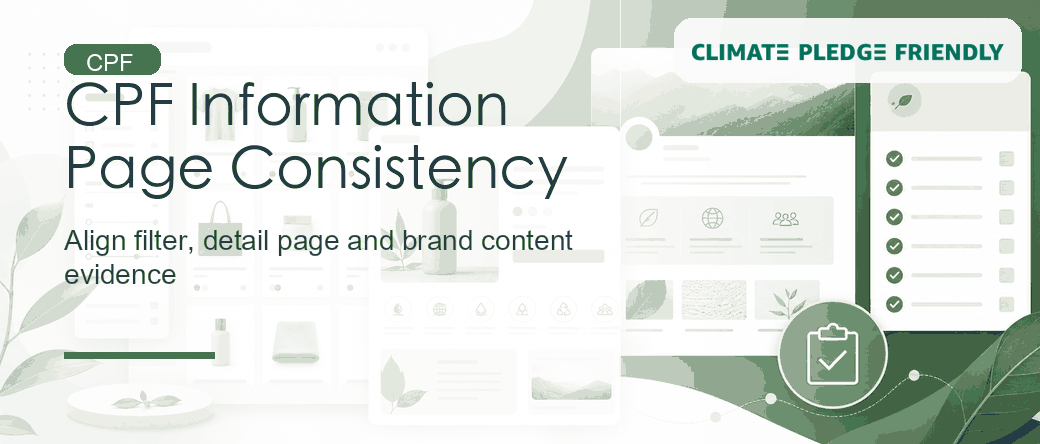
CPF or third-party sustainability certification may appear across filters, product detail pages, brand content, packaging, and support materials. Sellers should not present these surfaces as fixed platform outcomes; they should keep certification name, covered SKUs, certificate scope, and material notes consistent.
Read more
CPF or third-party sustainability certification can support factual wording in campaign assets, but it should not be presented as a promise of campaign cost, page display, or commercial outcomes. Sellers should state certification name, covered SKUs, certificate scope, material attributes, and evidence location clearly.
Read more
After obtaining CPF eligibility or third-party sustainability certification, the listing goal is not to promise page performance. The goal is to state certification name, scope, material attributes, and evidence clearly across title, bullets, images, A+ content, product description, and Q&A.
Read more
Rainforest Alliance certification can support sustainability claims for certain agricultural products and food ingredients, but it should not be described as a newly added platform pathway or a universal solution for all food products without verification. Before using the evidence, review crop scope, chain certification, mass balance or identity preserved model, label approval, and page wording boundaries.
Read more