Guide
What Is ENERGY STAR? Check the Model Before Writing an Energy Claim
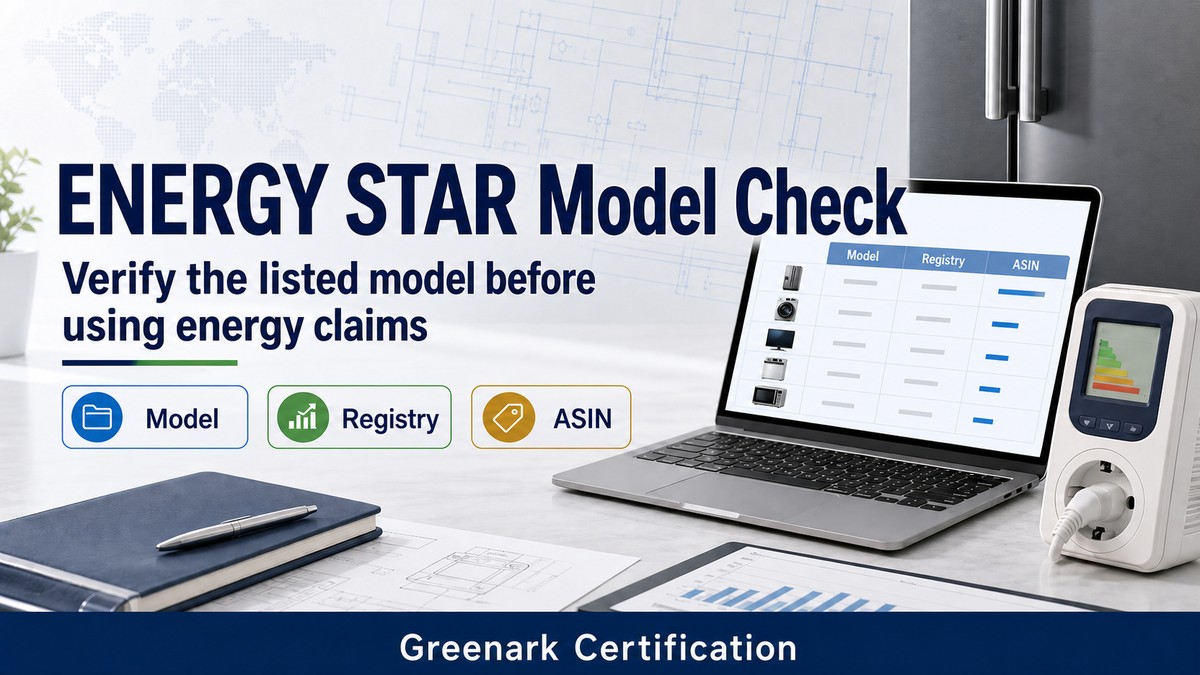
ENERGY STAR discussions for electronics and appliances should begin with the exact model and applicable registry, not with a general energy-saving slogan.
Read moreGreenArk latest news: industry updates, company news, guides
ENERGY STAR discussions for electronics and appliances should begin with the exact model and applicable registry, not with a general energy-saving slogan.
Read more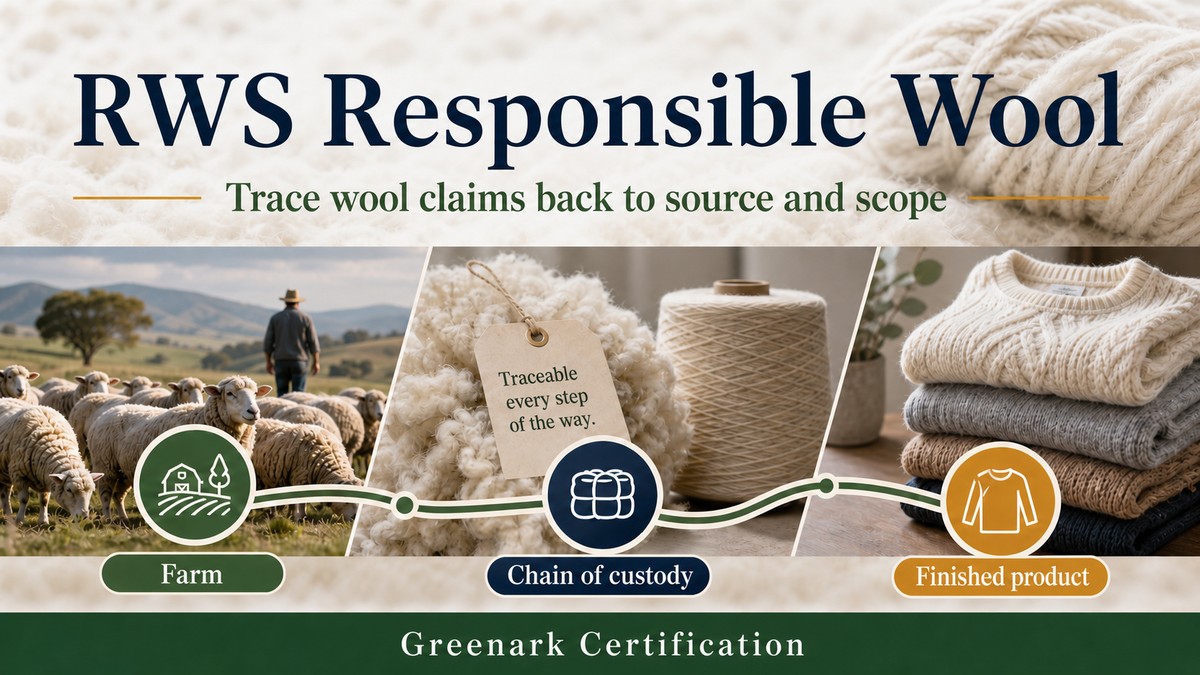
RWS-related claims should be connected to wool source, chain-of-custody documentation, product scope and finished-product wording.
Read more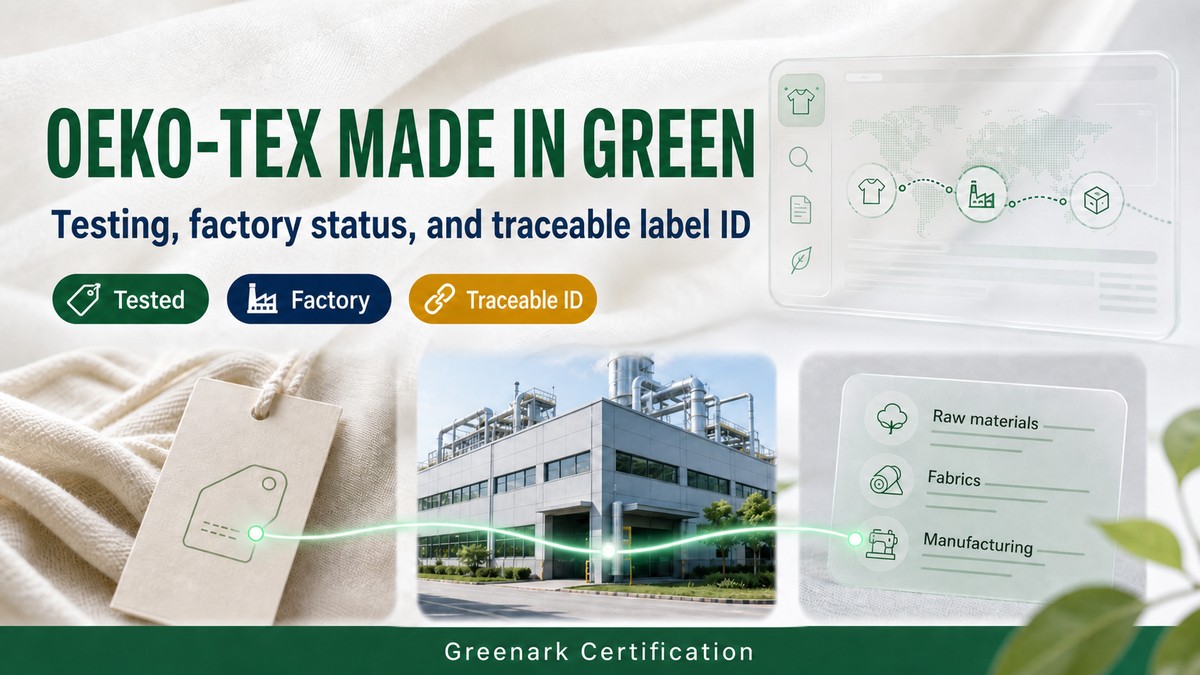
MADE IN GREEN is not just a simple textile test claim. It connects tested materials, responsible production requirements and traceable label information.
Read more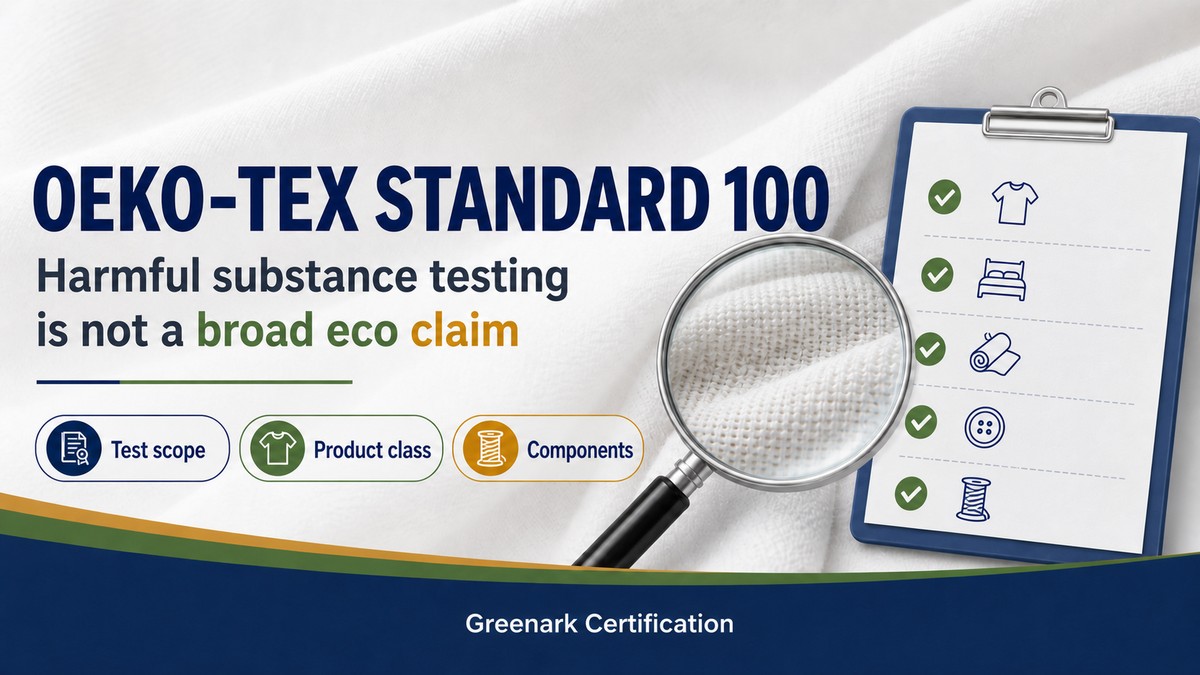
OEKO-TEX STANDARD 100 is commonly used for textile product safety communication, but sellers should keep the claim tied to tested articles, components and product class.
Read more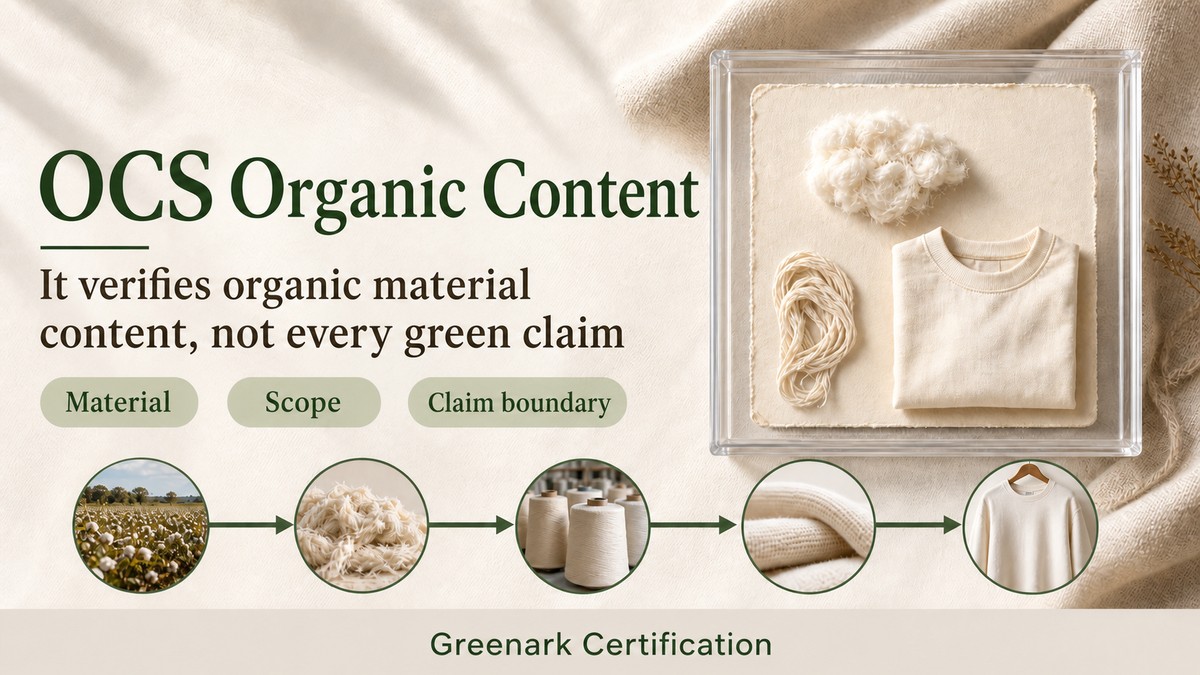
OCS can support organic-material content claims, but sellers should not use it as proof of broad environmental performance.
Read more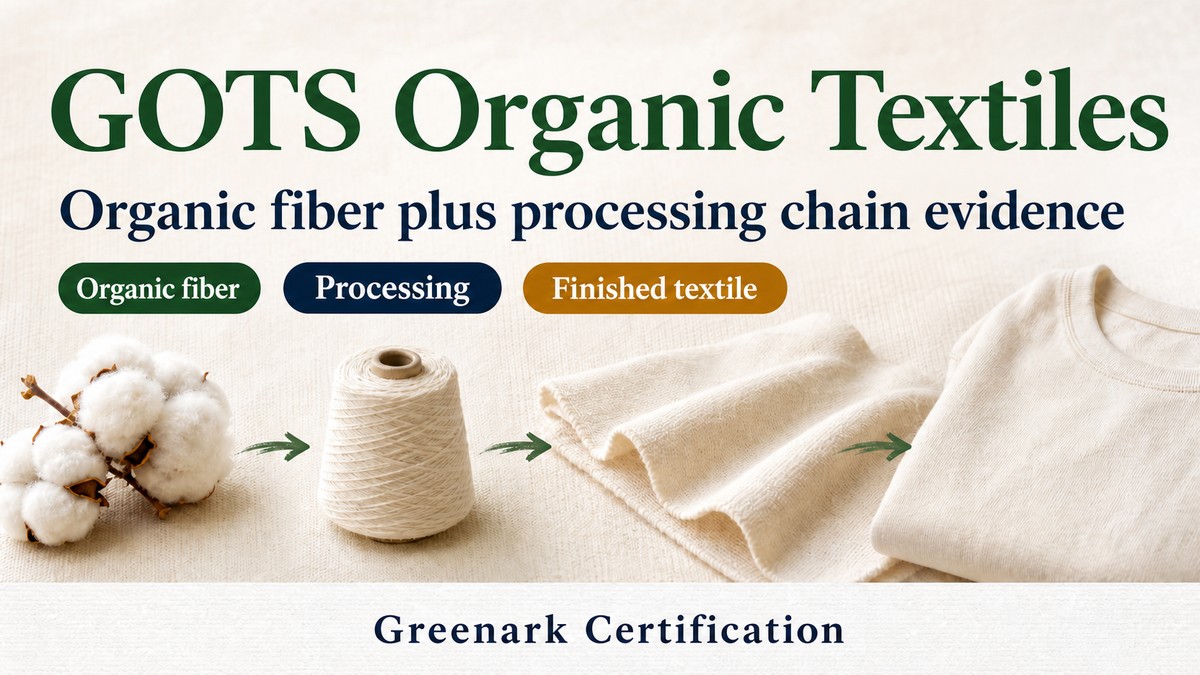
GOTS is commonly used for organic textile products, but finished-product claims require more than a farm-level organic input statement.
Read more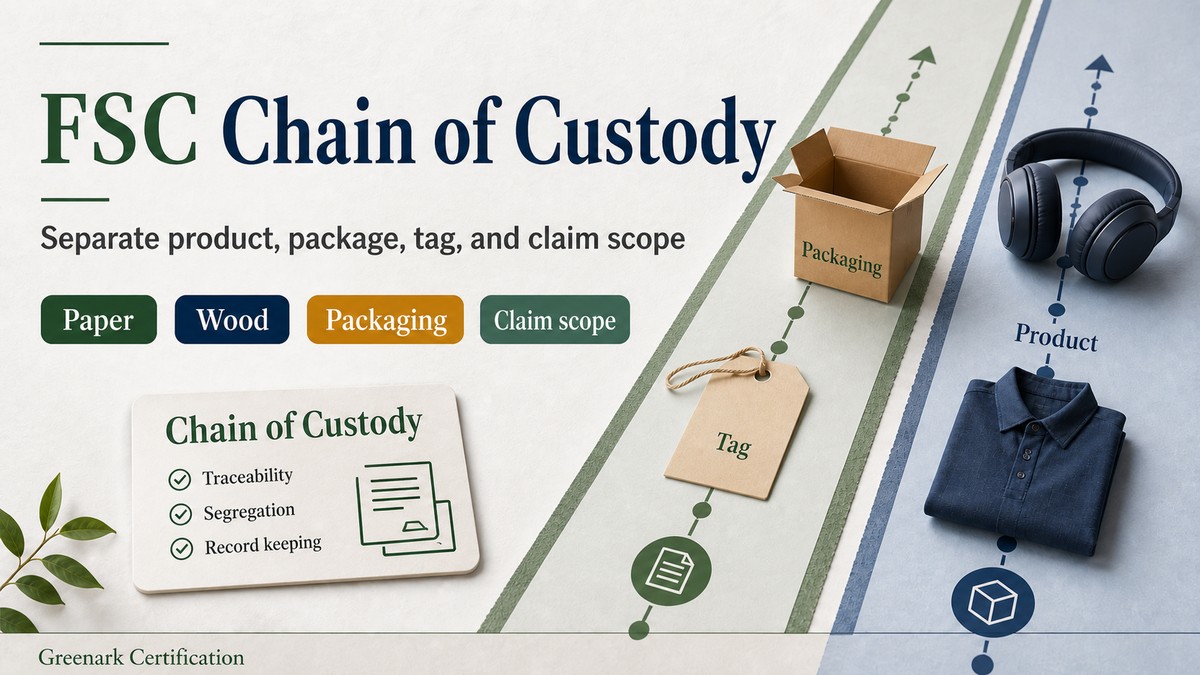
FSC-related evidence can support forest-product or packaging claims, but sellers must separate the product, carton, hangtag and listing wording before using the claim.
Read more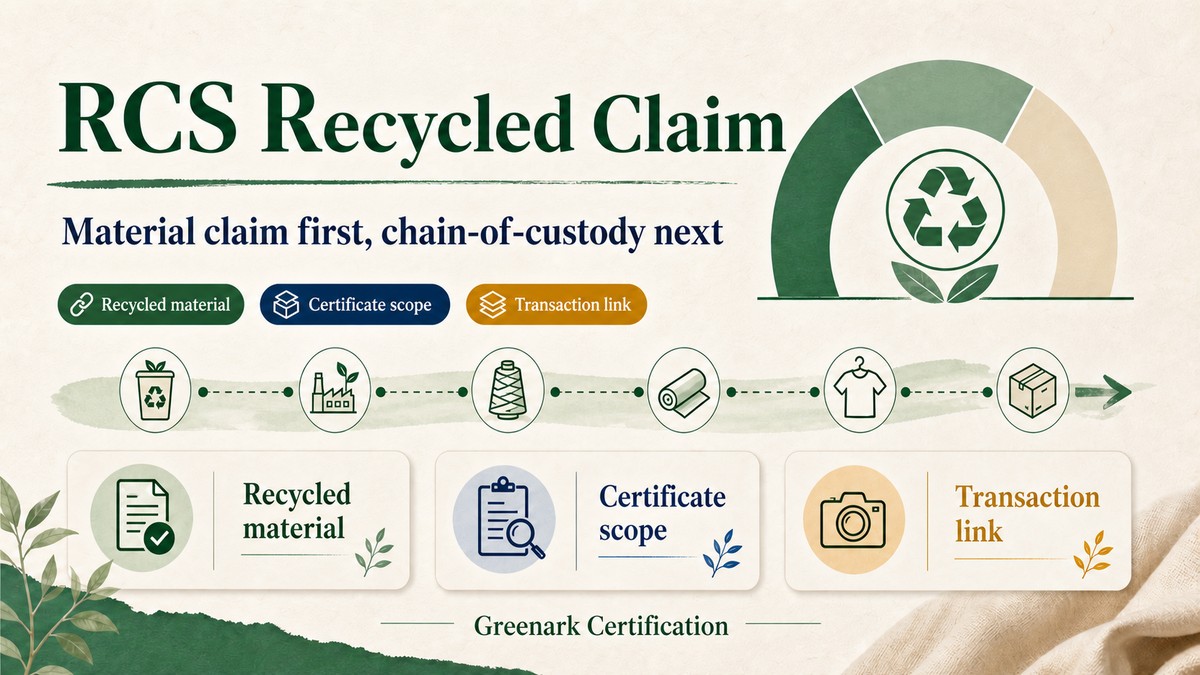
RCS can support recycled-material claims, but it should be used with a clear understanding of material scope, chain-of-custody evidence and the difference from broader recycled-content programs.
Read more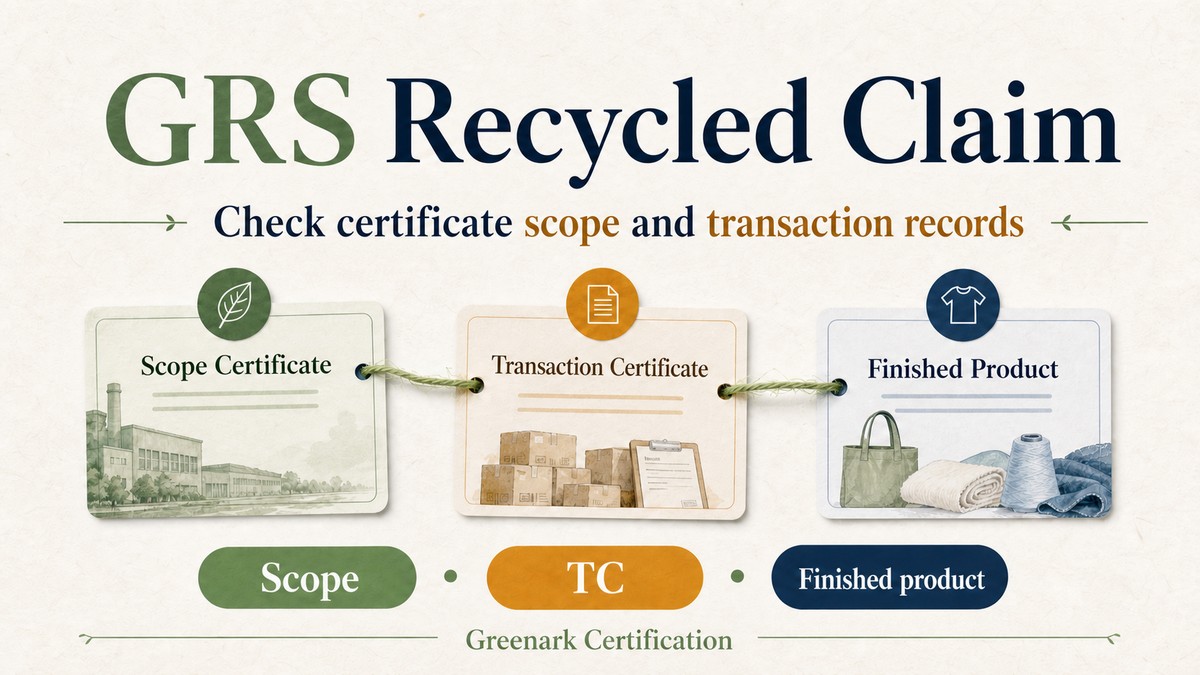
GRS is often used for recycled-content claims, but sellers need to check certificate scope, transaction certificates and finished-product coverage before using the claim on Amazon or other sales pages.
Read more
Amazon Climate Pledge Friendly is a product-page recognition framework, not one standalone certificate. Sellers need to match each claim with the right product, material, certificate scope and listing evidence.
Read more
The August 4, 2026 CPSC civil penalty announcement involving Johnson Health Tech Trading is not only a treadmill story. It is a reminder that after-sales records, repair reports, returns, platform complaints and injury i
Read more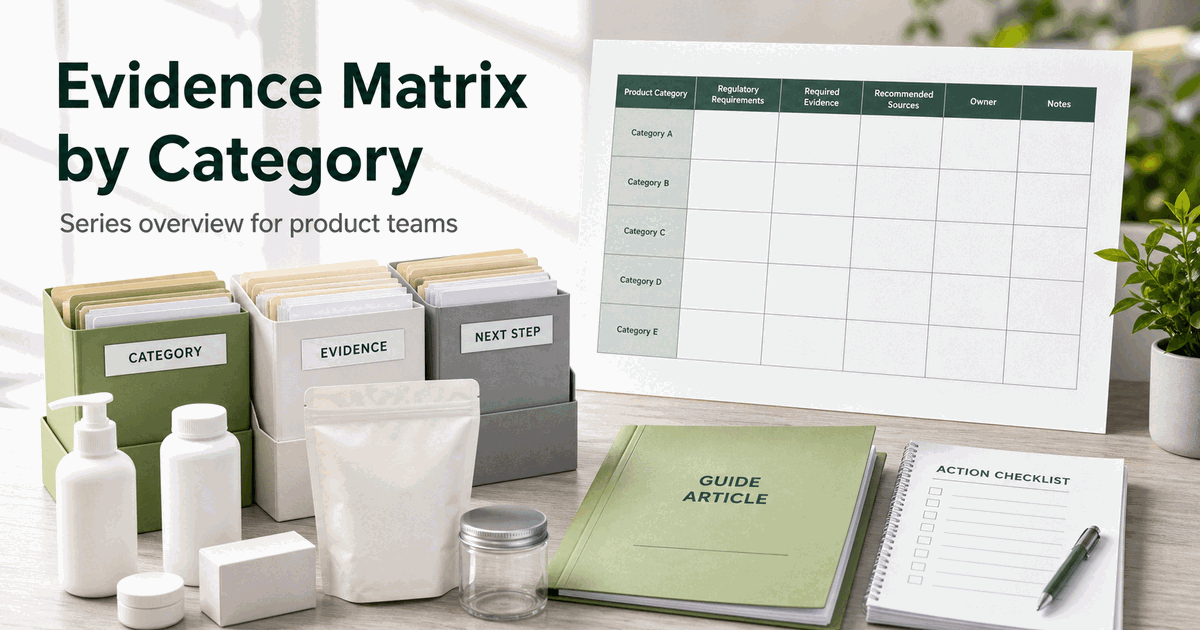
A useful CPF review matrix separates product facts, evidence objects, coverage scope, and customer-visible claims. This prevents teams from treating FSC, GOTS, GRS, ENERGY STAR, Carbon Trust, Safer Choice, and Compact by
Read more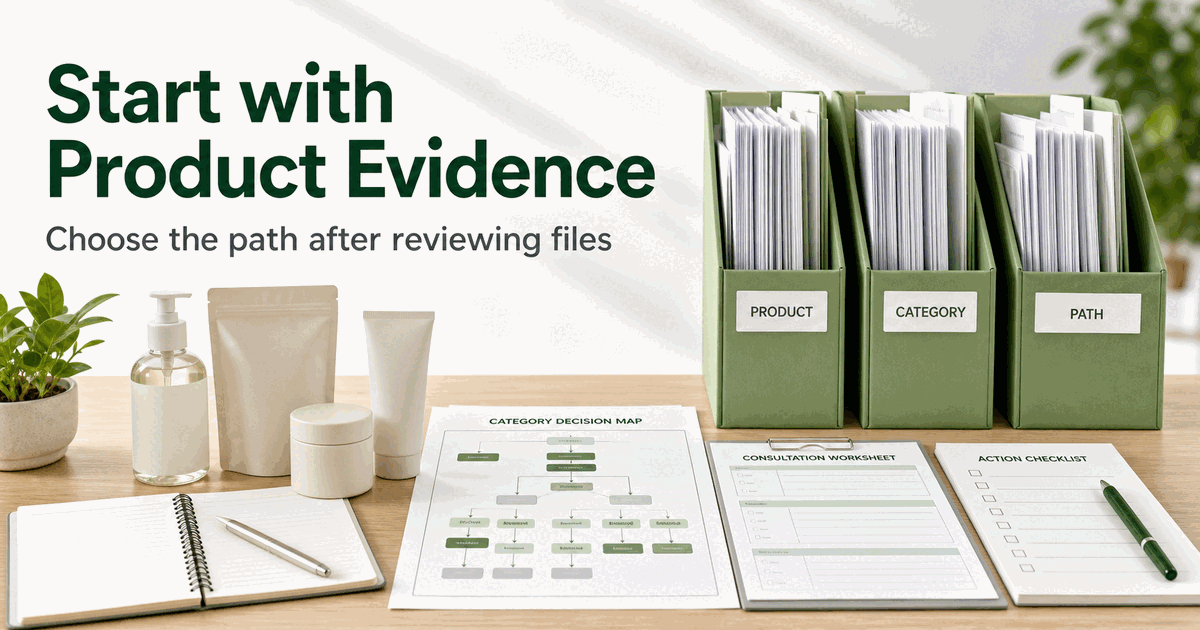
Amazon Climate Pledge Friendly is best treated as a consumer-facing sustainability-feature program, not as a promise of sales or search results. For sellers, the first step is to connect product facts, supplier documents
Read more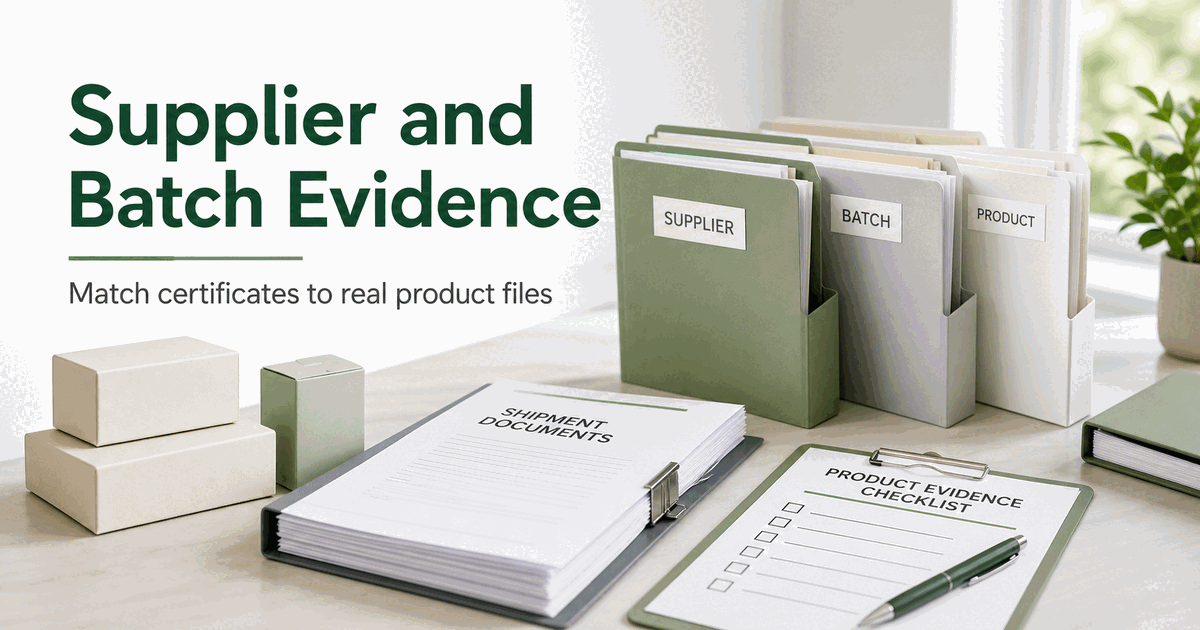
A certificate alone is not enough for a reliable green claim. Sellers should check whether the certificate holder, supplier, material scope, batch documents and current SKU all match.
Read more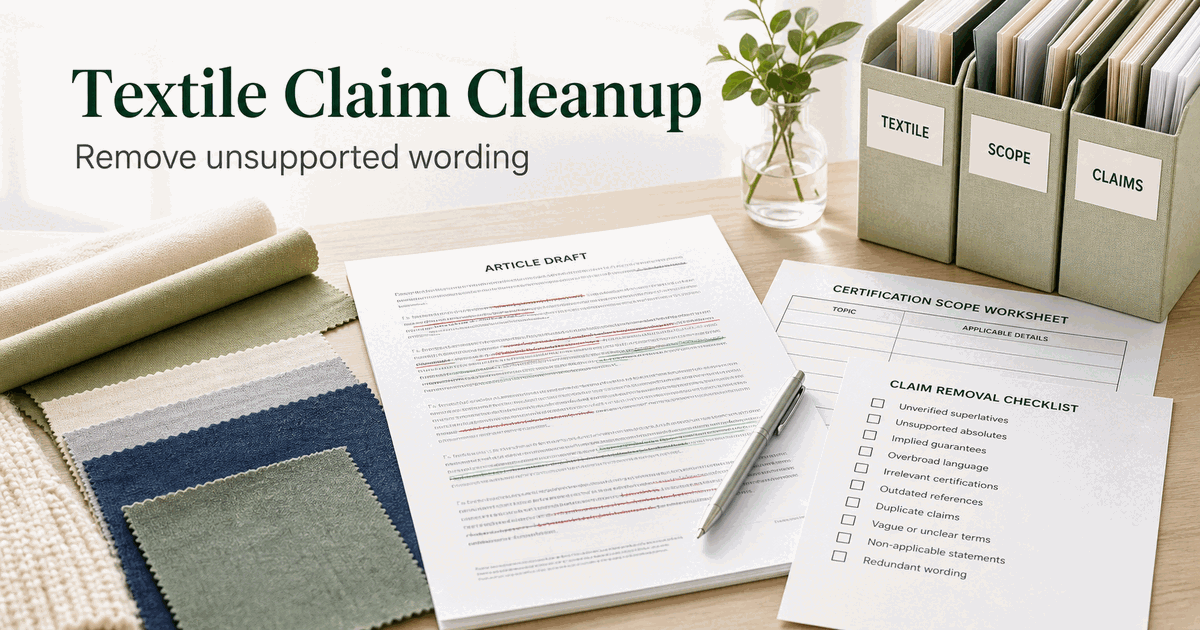
Textile sellers often introduce OEKO-TEX STANDARD 100 and GOTS in the same sustainability article. That can be useful, but the two systems support different types of claims.
Read more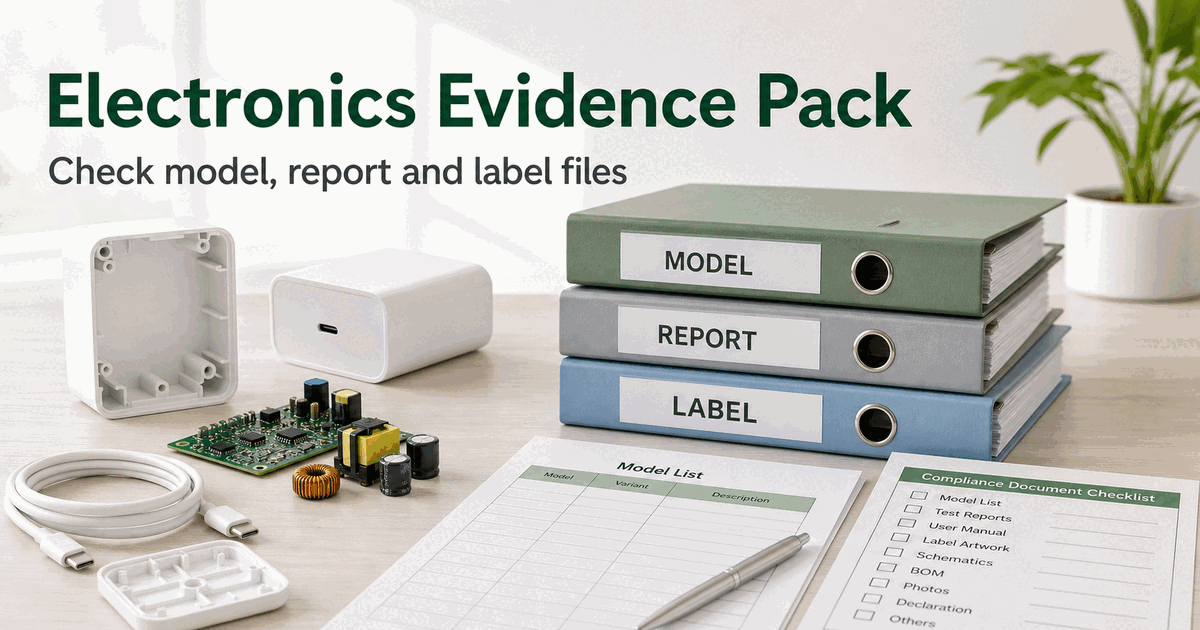
Electronics sellers often mention CE, UKCA and FCC in one compliance checklist. That is useful only when the three pathways are kept separate.
Read more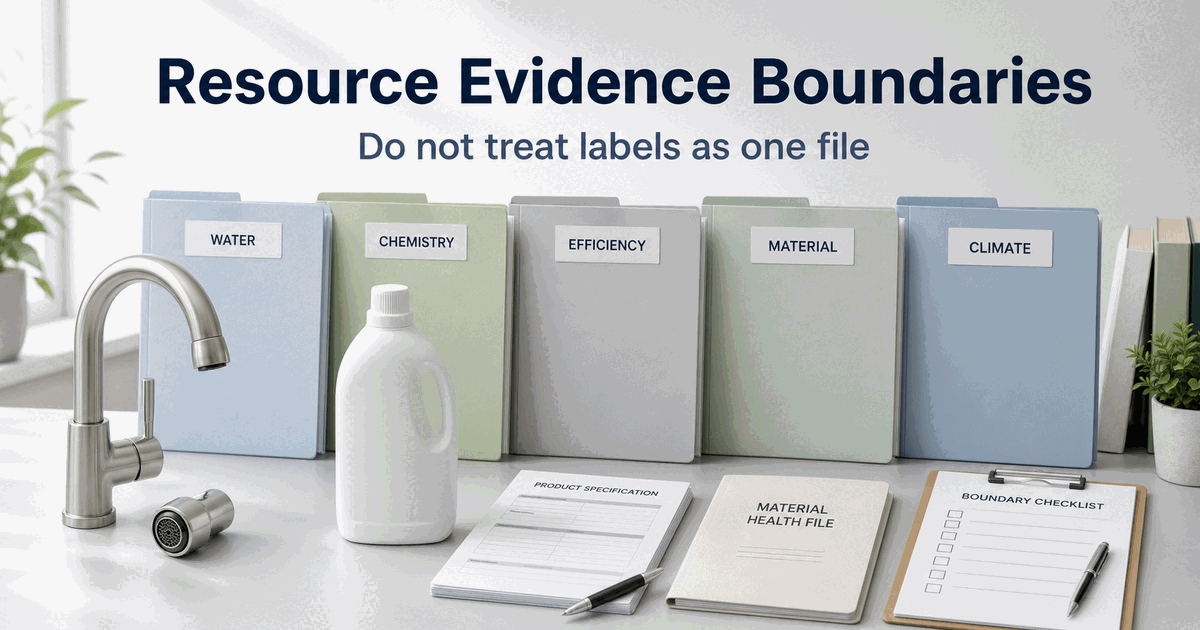
WaterSense, Safer Choice, ENERGY STAR Most Efficient, Cradle to Cradle Material Health, and The Climate Label support different claim types.
Read more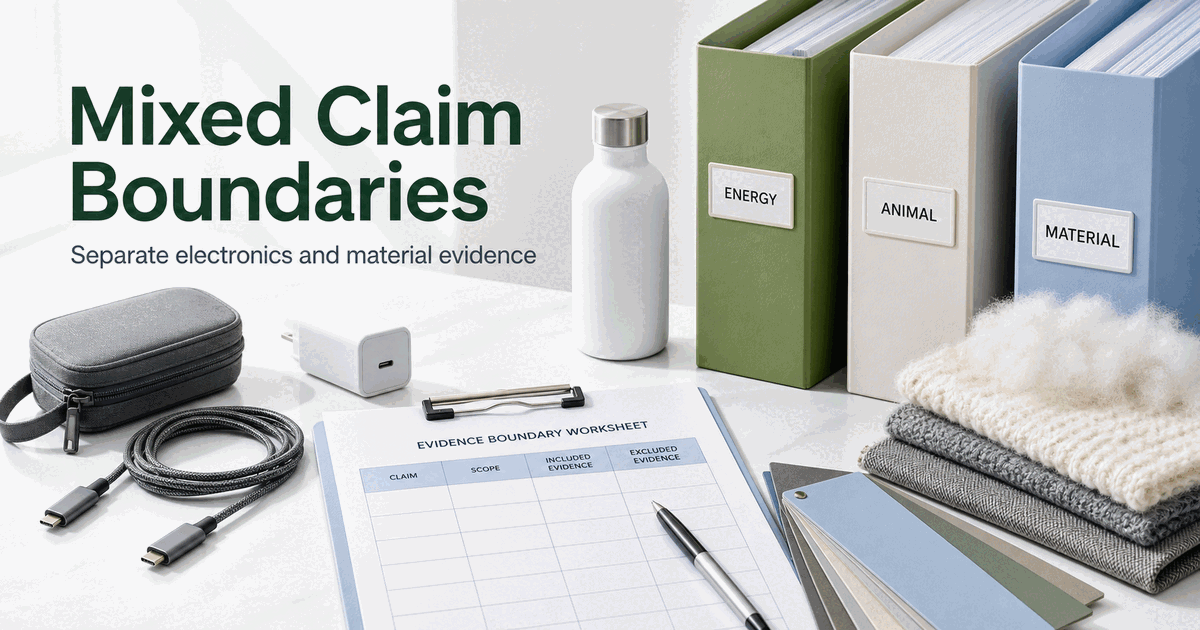
Energy-efficient electronics, cruelty-free claims, and responsible down or wool materials require different evidence logic.
Read more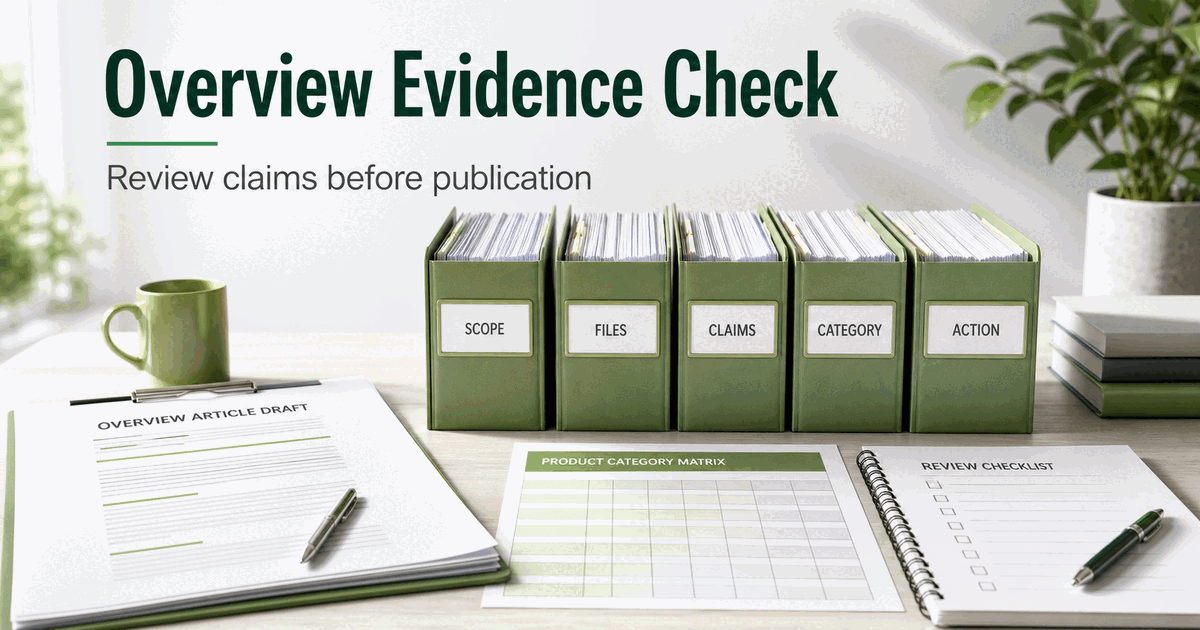
An Amazon Climate Pledge Friendly overview should not be written as a broad certification list. Sellers need SKU-level evidence.
Read more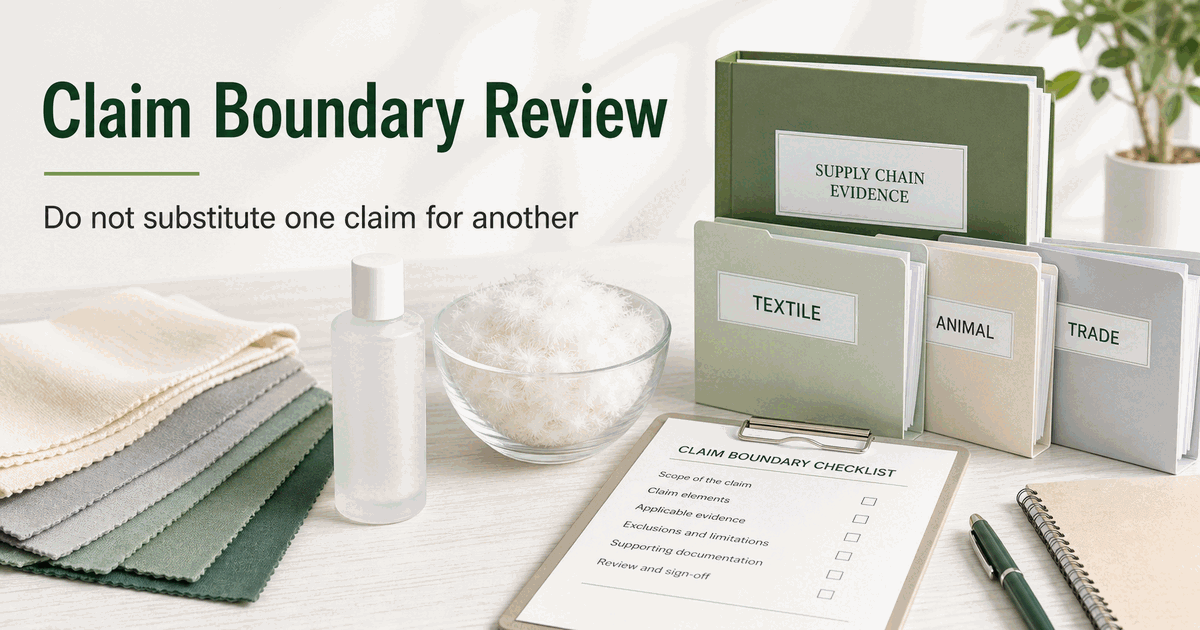
bluesign / bluepass, Leaping Bunny, RDS, and Fair for Life support different evidence objects.
Read more