

EU Ecolabel dishwasher detergents: choose the product group before the DID calculation file
For EU Ecolabel dishwasher detergents, distinguish DD from IIDD before choosing the DID list and application documents.
Read moreA unified content library for certification, compliance, Amazon CPF, sustainability standards, testing and documentation guidance.
For EU Ecolabel dishwasher detergents, distinguish DD from IIDD before choosing the DID list and application documents.
Read more
The EU legal guarantee notice and GARAN durability label have different parties and conditions. Check the whole product, free offer, duration and model mapping.
Read more
How the 4 February 2026 Candidate List additions—n-hexane and Bisphenol AF and its salts—change supplier searches, identifiers and version checks.
Read more
Delegated Regulation (EU) 2026/2102 is in force. Product teams should distinguish its entry into force from operator and newly added product application dates, then map each SKU to the amended Annex I and supporting evidence.
Read more
A CPSC search hit is only a lead. Compare the notice type, exact model and label, hazard mechanism, date fields and consumer action before making a claim about a children’s product.
Read more
An EU campaign found inhibitor-label problems in 14 of 21 fertiliser samples. Trace the amount on a current package to its formulation and evidence, then check the documents for the applicable EU or national market route.
Read more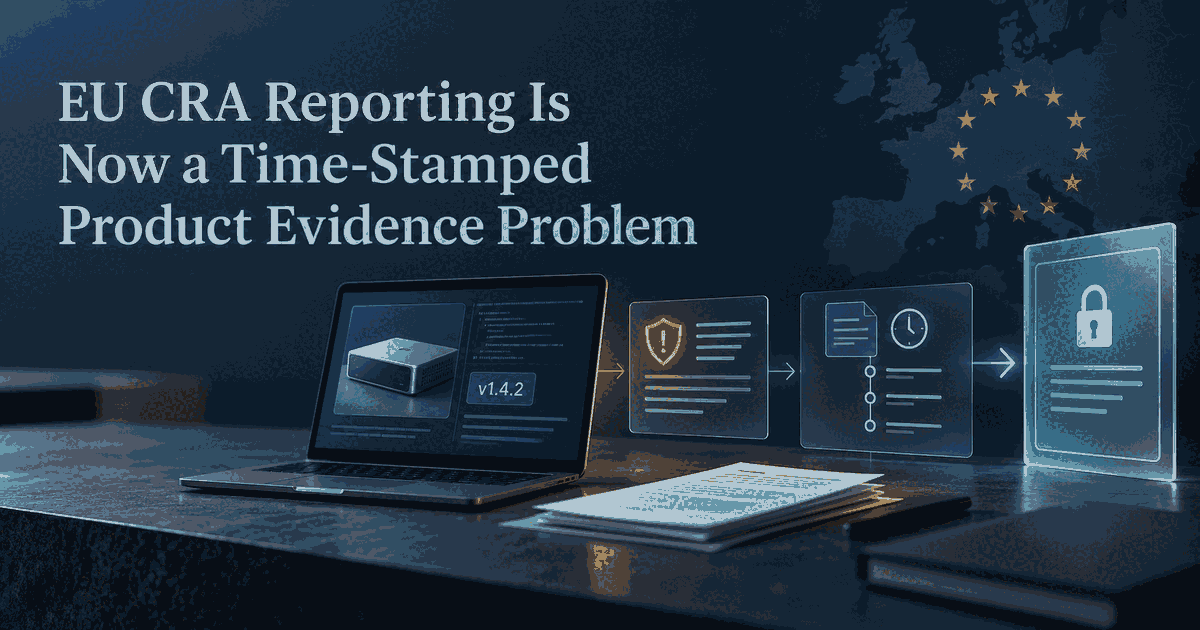
Article 14 CRA reporting has two triggers and two final-report clocks. Identify the affected product version and awareness point before scheduling the 24-hour warning, 72-hour notification and relevant final report.
Read more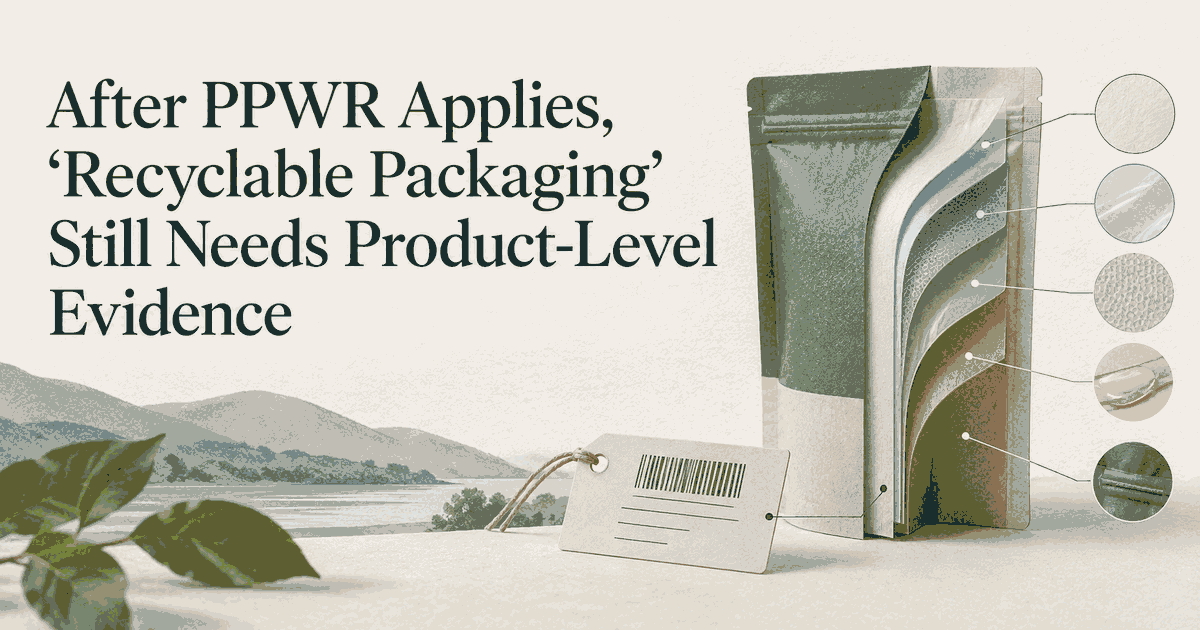
The PPWR applies in phases. Link each packaging claim to the shipped version, the applicable rule and evidence; keep recyclability, recycled content and claim scope separate.
Read more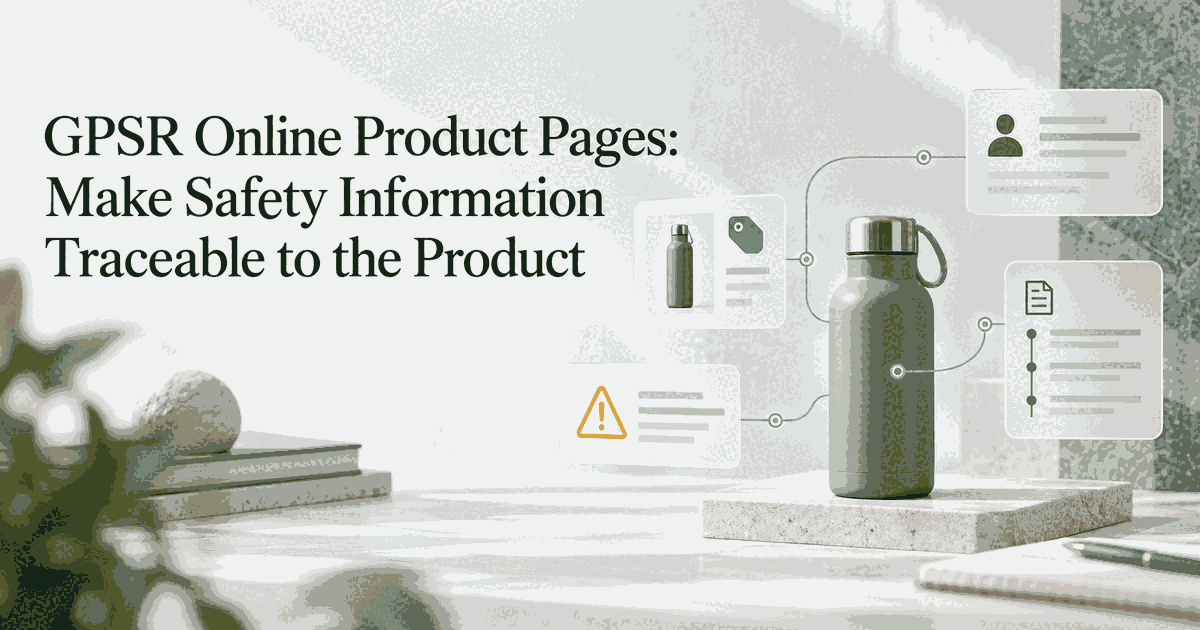
Article 19 of the GPSR specifies visible information for distance-sale offers. Match the manufacturer, conditional EU responsible person, product identity and warnings to the actual item.
Read more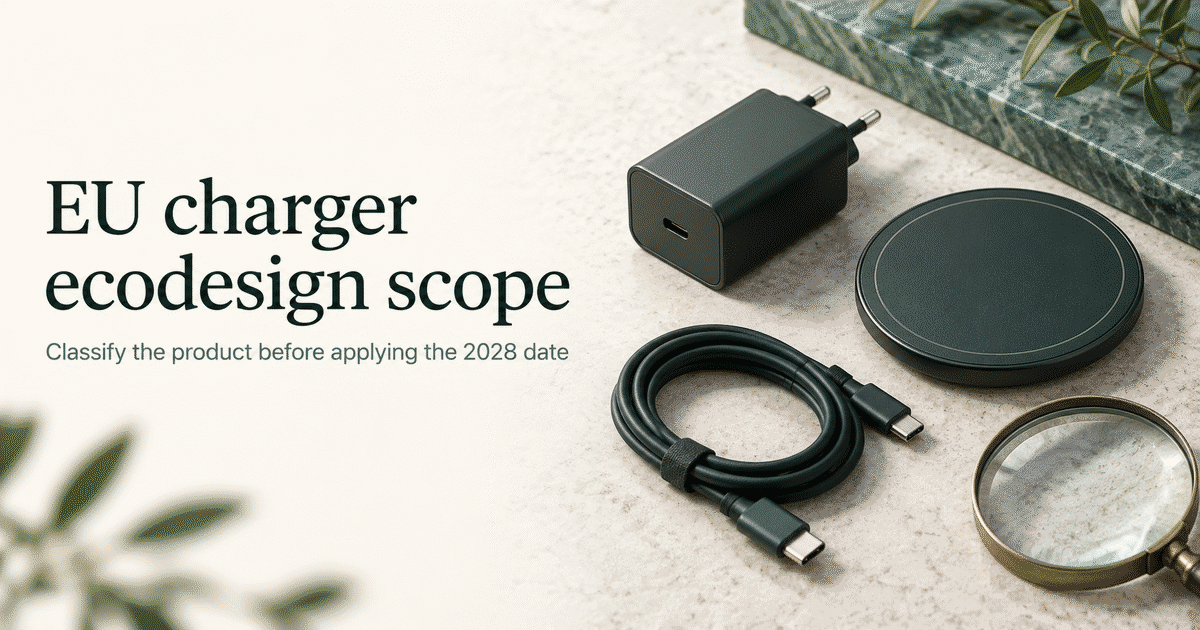
Regulation (EU) 2025/2052 distinguishes power supplies, battery chargers, wireless products and USB Type-C cables. Classify each sale unit and its evidence before planning for the 2028 requirements.
Read more
An FTC-based framework for matching Made in USA, qualified origin, and Assembled in USA claims to current SKU evidence and the page's net impression.
Read more
The CPSC warnings for Aila+Aiden and CooCooBaby concern distinct products and hazards. Review each infant lounger’s design, sleep claims and applicable rule before editing a listing.
Read more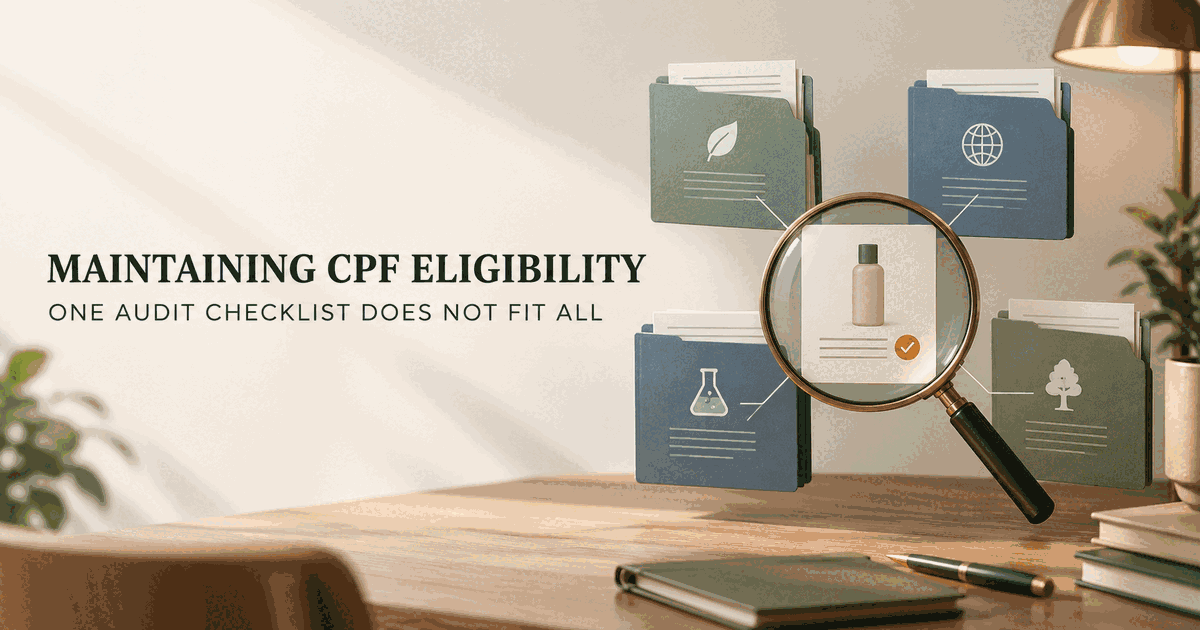
Maintain CPF eligibility by matching the current product and listing claim to a recognised certification path, holder and site scope, and product or transaction evidence. Audit cycles remain scheme-specific.
Read more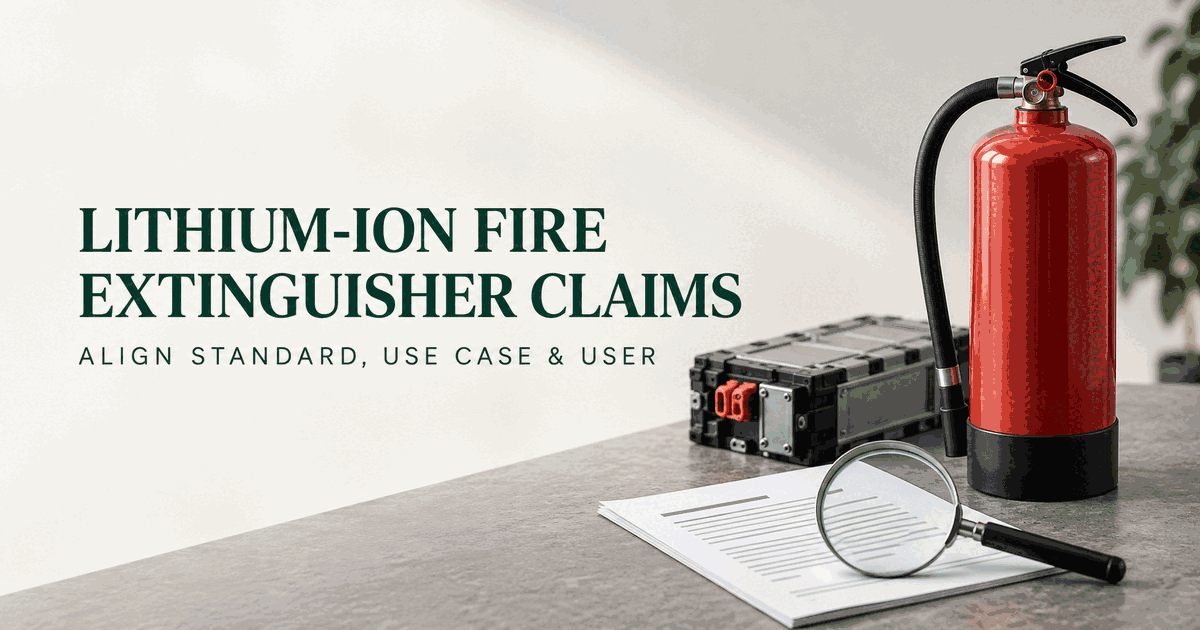
The ACCC says no applicable Australian safety standard currently covers extinguisher use on lithium-ion battery fires. Check the report scope, claimed use and trained-user limit together.
Read more
A test report and a “3+” label cannot settle every question about an Australian pull toy. Review age scope, cord and detachable-part hazards, then match the product on sale to the tested sample.
Read more
The EU computer energy-label study informs a future delegated act; it creates no present label duty. Learn how to separate the study from current ecodesign rules and prepare traceable test data.
Read more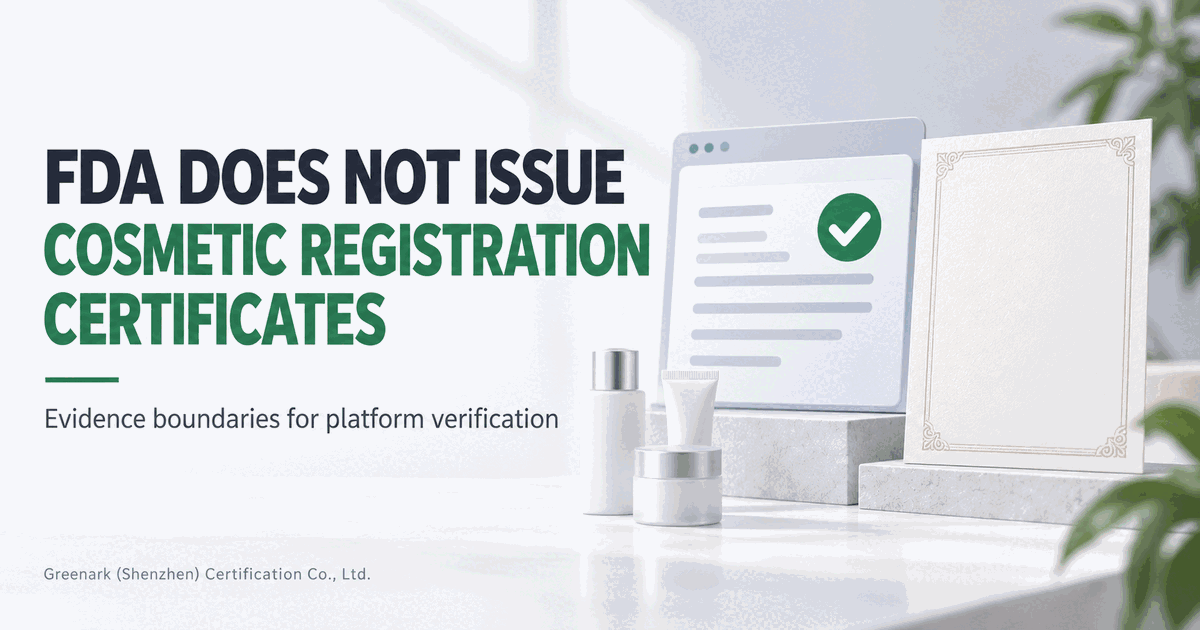
A practical way to answer requests for an “FDA certificate” by separating facility registration, product listing, and exemption analysis—and stating what each record does not establish.
Read more
How to distinguish a domestic importer from an overseas specified import business operator and assess Japan’s domestic-administrator requirement for PS-mark products.
Read more
For an Australian Halloween lens listing, separate product status, advertising claims and recall scope. Here is how to map the exact product, evidence, batch and page without treating campaign styling as a regulatory classification.
Read more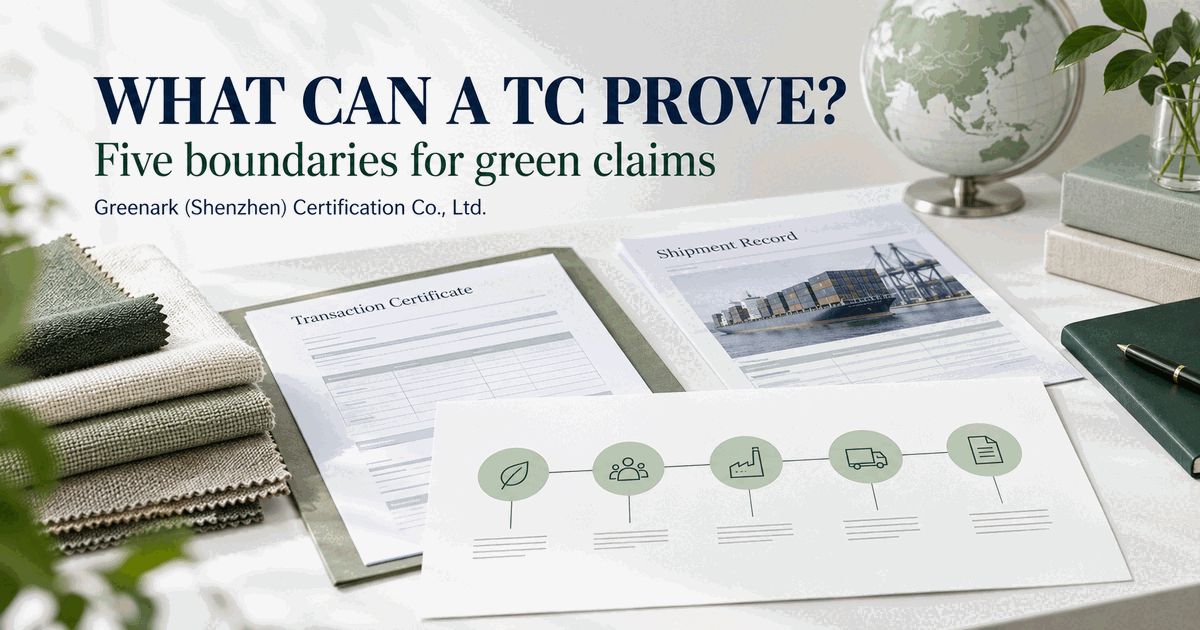
A Transaction Certificate traces a defined transaction; it does not by itself authorize a consumer claim. Separate certificate scope, finished-product evidence, claim approval, and environmental substantiation.
Read more