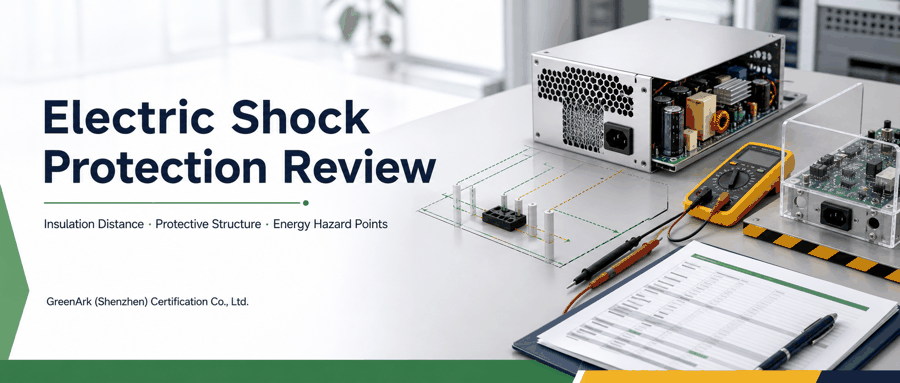
Electric shock and energy hazards are the core risks in electrical safety. The former refers to physiological injuries caused by current passing through the human body (e.g., ventricular fibrillation, burns), while the latter encompasses non-shock hazards from electrical energy release (e.g., arc flash explosions, mechanical damage to equipment, electromagnetic radiation, etc.). Protection requires a multi-layered defense combining technical measures, equipment design, and management practices. The following are the core protection principles and specific methods:

I. Electric Shock Hazard Protection

The root cause of electric shock is the human body becoming a current pathway (through contact with live parts or step voltage). The core of protection is to interrupt the current path or limit the current magnitude/duration.

1. Direct Contact Protection (Preventing Contact with Live Parts)

For conductors that are energized during normal operation (e.g., phase conductors, live wires), contact is prevented through physical isolation or insulation:


  • Insulation Protection:

    • Wires and energized equipment parts must be covered with insulating materials (e.g., plastic, rubber). Insulation resistance must meet standards (e.g., low-voltage equipment ≥ 0.5 MΩ, high-voltage equipment ≥ 1000 MΩ);

    • Regularly inspect for insulation aging and damage (e.g., using an insulation resistance tester) to prevent insulation failure.

  • Barriers and Enclosures:

    • Live parts must be isolated using enclosures, fences, barriers, etc. (e.g., distribution box doors, switchgear barriers). Barrier height ≥ 1.7 m, with clearance from live parts meeting safety distances (low voltage ≥ 0.1 m, high voltage ≥ 0.7 m);

    • Warning signs must be posted in hazardous areas (e.g., "Warning: Electric Shock Risk"), and unauthorized personnel are strictly prohibited from contact.

  • Safety Clearance:

    • Distances between live parts and the ground, walls, and other equipment must comply with regulations (e.g., indoor low-voltage lines ≥ 2.5 m above ground, outdoor ≥ 2.7 m) to prevent accidental human proximity.

2. Indirect Contact Protection (Preventing Energized Equipment Enclosures)

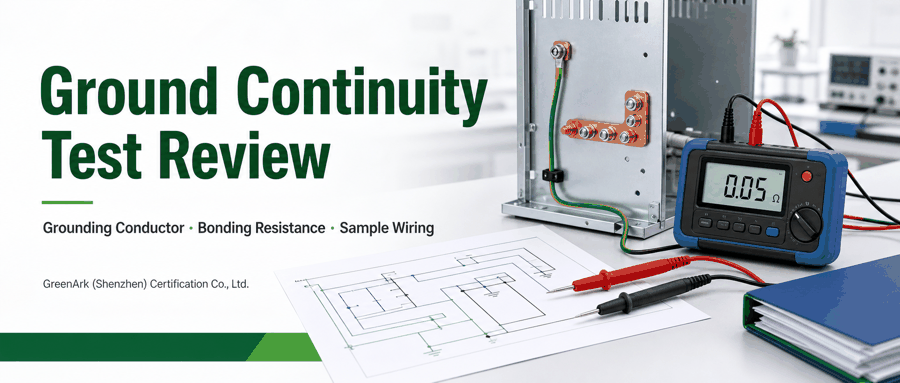
For situations where exposed conductive parts (e.g., enclosures, metal frames) become energized during equipment faults, the current is interrupted through grounding, neutral connection, or automatic disconnection:


  • Protective Earthing (TT System, IT System):

    • Connect the equipment enclosure directly to the grounding electrode. During a fault, enclosure voltage is discharged through grounding resistance, limiting voltage to ≤ 50 V (safety limit);

    • Grounding resistance must be ≤ 4 Ω (combined grounding ≤ 1 Ω) to ensure fault current is sufficiently small.

  • Protective Neutral Connection (TN System):

    • The equipment enclosure is connected to the neutral conductor (N line). During a fault, a phase-to-enclosure-to-neutral short-circuit loop is formed, causing the circuit breaker/fuse to trip rapidly (≤ 0.4 s) and disconnect the power supply;

    • The neutral conductor must have reliable continuity and must never be disconnected (e.g., use a dedicated protective earth conductor PE, separated from the working neutral conductor N).

  • Residual Current Protection (RCD / Leakage Current Protector):

    • Monitor the current difference between the phase and neutral conductors (≈ 0 under normal conditions, > 30 mA during leakage). When the difference exceeds the threshold, disconnect the power within 0.1 seconds to prevent electric shock;

    • Mandatory for use in wet environments (e.g., bathrooms, kitchens), mobile equipment (e.g., hand-held tools), and temporary power installations (e.g., construction sites). Tripping current ≤ 30 mA (lethal current threshold).

3. Supplementary Protection for Special Scenarios

  • Equipotential Bonding: In wet areas such as bathrooms and swimming pools, connect metal pipes, equipment enclosures, ground reinforcement bars, etc., with conductors to eliminate potential differences and prevent step voltage or touch voltage;

  • Double Insulation and Reinforced Insulation: Hand-held power tools use "basic insulation + supplementary insulation" (double insulation) or a single layer of high-strength insulation (reinforced insulation), requiring no grounding and directly interrupting the shock current path;

  • Safety Extra-Low Voltage (SELV): In confined and wet environments (e.g., tunnels, underground mines), use safety extra-low voltage ≤ 36 V for power supply (≤ 12 V in special circumstances), so that even contact will not produce lethal current.

II. Energy Hazard Protection

Energy hazards originate from the thermal, mechanical, and electromagnetic energy converted from electrical energy. Typical examples include arc flash explosions, equipment overload explosions, and electromagnetic radiation. The core of protection is to limit energy release or isolate the range of energy effects.

1. Arc Flash Protection

An arc is a discharge phenomenon where current passes through air, with temperatures reaching up to 20,000°C. The energy released can cause burns and blast impact, commonly occurring during high-voltage equipment operating errors or short circuits:


  • Equipment Design Optimization:

    • Use anti-maloperation designs for disconnect switches and circuit breakers (Five-Prevention Interlocking: prevent erroneous opening/closing, prevent operation under load, etc.) to reduce arcs caused by human error;

    • Install Arc Flash Protection (AFP) devices in high-voltage cabinets to detect arc light signals and disconnect power within 0.01 seconds, reducing energy release duration.

  • Personal Protective Equipment (PPE):

    • Select protective equipment based on the equipment arc flash energy level (CAL): arc-rated protective clothing (flame-resistant, heat-insulating), protective face shields (UV protection), insulating gloves/boots (electric shock protection + thermal insulation);

    • When arc flash energy > 40 cal, double-layer protective clothing is required and exposed skin is prohibited.

  • Isolation and Warning:

    • Define arc flash hazard zones (e.g., "Restricted Approach Boundary," "Prohibited Approach Boundary") and post warning signs;

    • Calculate the arc flash boundary (safe distance between personnel and equipment) before operation to ensure operations are performed outside the boundary.

2. Equipment Energy Runaway Protection

  • Overload and Short-Circuit Protection: Install circuit breakers and fuses to automatically disconnect power when current exceeds rated values, preventing equipment from overheating, burning out, or exploding (e.g., motor overload protection, conductor short-circuit protection);

  • Explosion-Proof Design: In flammable and explosive environments (e.g., gas stations, chemical workshops), use explosion-proof equipment (flameproof enclosures, increased safety circuits) to prevent electric sparks from igniting combustible materials;

  • Mechanical Energy Protection: High-speed rotating equipment (e.g., motors, transformers) must be securely fastened and equipped with protective guards to prevent mechanical injuries caused by detached components (due to uncontrolled mechanical energy converted from electrical energy).

3. Electromagnetic Energy Protection

  • Electromagnetic Radiation Shielding: Install metal shielding nets around equipment such as high-voltage transmission lines and transformers to reduce electromagnetic field intensity (public exposure limits: power-frequency electric field ≤ 4 kV/m, magnetic field ≤ 0.1 mT);

  • Distance Protection: Maintain distance from high-voltage equipment (e.g., 110 kV line safe distance ≥ 1.5 m) to reduce cumulative electromagnetic radiation effects.

III. Management and Emergency Protection

  • Operating Procedures: Strictly follow the "De-energize – Verify – Tag – Ground" procedure (e.g., before high-voltage equipment maintenance, use a voltage detector to confirm de-energization, post "Do Not Close" tags, and apply temporary grounding for short-circuit protection);

  • Training and Qualification: Electricians must hold valid certifications, be proficient in electric shock first aid (e.g., CPR) and arc flash emergency response (e.g., fire extinguishing, burn treatment);

  • Periodic Inspection: Parameters such as insulation resistance, grounding resistance, and RCD tripping time must be periodically verified (e.g., once per year) to ensure protective devices remain effective.

IV. Relevant Standards

  • China: GB/T 13870.1 Effects of Current on Human Beings and Livestock (electric shock injury thresholds); GB 50054 Code for Design of Low Voltage Electrical Installations (protective measure design); AQ 4277 Specification for Arc Flash Protection of Electrical Equipment.

  • International: IEC 61140 Protection Against Electric Shock; NFPA 70E Standard for Electrical Safety in the Workplace (authoritative standard for arc flash protection).

Summary

Protection against electric shock and energy hazards must follow the hierarchical logic of "Source Elimination → Isolation & Interruption → Automatic Protection → Personal Protection → Emergency Fallback," combining technical means (insulation, grounding, RCD), equipment design (explosion-proof, anti-maloperation), and management practices (training, inspection) to achieve the goal of "Shock Prevention, Energy Control, and Safety Assurance."